


Check the Foam Density
Density is one of the most important indicators of polyurethane foam quality.
High-density PU foam generally contains more material within the same volume, resulting in better structural integrity, improved durability, and longer service life. Low-density foam may feel lightweight and inexpensive, but it often compresses more easily and wears out faster under repeated use.
It's important to remember that higher density does not always mean a firmer foam. Density relates to the amount of material used, while firmness depends on the foam formulation and hardness.
For industrial and commercial applications, manufacturers typically select the density based on the product's intended use rather than choosing the highest possible value.
Evaluate Compression Recovery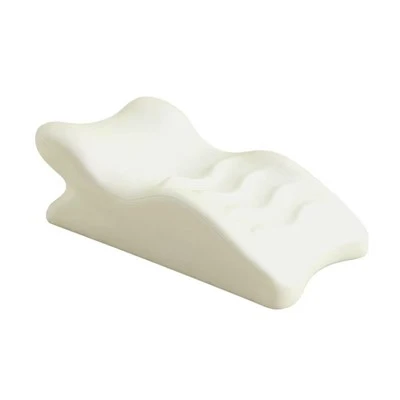
A quality polyurethane foam should recover its original shape quickly after being compressed.
When pressure is applied, the foam should deform smoothly and return to its original dimensions without permanent indentation.
Poor-quality foam often shows signs of:
Slow recovery
Permanent compression marks
Uneven deformation
Loss of elasticity after repeated use
Compression recovery is especially important for seating, medical positioning cushions, automotive armrests, and ergonomic products.
Examine the Cell Structure
The internal cellular structure provides valuable clues about manufacturing quality.
High-quality PU foam usually has:
Uniform cell size
Even distribution of pores
Consistent texture throughout the material
Minimal voids or large bubbles
An inconsistent cell structure may indicate unstable production conditions or poor process control, which can negatively affect mechanical performance.
Manufacturers use precise foaming parameters to maintain consistent cell formation across every production batch.
Assess Surface Quality
The surface of polyurethane foam should be smooth, clean, and free from obvious defects.
Depending on the product type, look for:
Uniform color
No large air bubbles
No visible cracks
No tears or surface damage
Consistent skin thickness for integral skin products
Minor color variations between batches can occur, but significant defects may suggest manufacturing problems or inadequate quality control.
Test Durability
A reliable PU foam should maintain its performance after repeated use.
High-quality polyurethane resists:
Compression fatigue
Wear and abrasion
Impact
Everyday mechanical stress
Deformation over time
Durability is particularly important for products used in demanding environments, such as automotive interiors, gym equipment, industrial supports, and healthcare devices.
Consider the Raw Materials
The quality of polyurethane foam begins with the raw materials.
Experienced manufacturers use carefully selected polyols, isocyanates, catalysts, and additives to produce foam with stable physical properties.
Lower-cost formulations may reduce production expenses, but they can also result in inconsistent performance, shorter service life, or greater variation between production batches.
Consistent raw material quality contributes directly to reliable product performance.
Check for Compliance and Testing
Professional manufacturers typically verify product quality through laboratory testing and quality management systems.
Depending on the application, buyers may request documentation such as:
Density specifications
Hardness test reports
Compression set data
Tensile or tear strength resultshttps://www.custompolyurethanefoam.com/medical-pu-foam/neck-massager/soft-neck-massager.html
REACH compliance
RoHS compliance
SDS (Safety Data Sheet)
These documents provide additional confidence that the material meets customer and market requirements.
Evaluate the Manufacturing Process
Even with premium raw materials, poor manufacturing control can reduce product quality.
An experienced polyurethane manufacturer focuses on:
Accurate material mixing
Stable foaming conditions
Controlled curing time
Consistent molding processes
Thorough quality inspections
Modern production equipment and standardized quality control help ensure that every batch delivers consistent performance.
Common Signs of Low-Quality PU Foam
Although appearance alone cannot determine quality, several warning signs may indicate inferior polyurethane foam:
Strong chemical odor that persists for an extended period
Uneven surface texture
Large visible air pockets
Cracking or tearing after limited use
Permanent deformation after compression
Inconsistent color or density
Poor dimensional accuracy
If multiple issues are present, buyers should carefully evaluate the supplier's production capabilities before placing large-volume orders.
Why Choosing the Right Manufacturer Matters
The quality of PU foam depends not only on the material itself but also on the expertise of the manufacturer.
An experienced supplier can recommend the most suitable formulation based on the product's intended application, environmental conditions, and performance requirements.
When selecting a polyurethane foam manufacturer, consider factors such as:
Industry experience
Custom molding capabilities
Quality control procedures
Technical support
Material consistency
International compliance standards
OEM and ODM manufacturing experience
A long-term partnership with a reliable manufacturer often leads to better product quality, more consistent production, and improved overall value.
Conclusion
High-quality PU foam is characterized by consistent density, excellent compression recovery, uniform cell structure, reliable durability, and stable manufacturing quality. While low-quality foam may appear similar at first glance, its performance often declines much more quickly during real-world use.
For buyers, evaluating material properties, manufacturing processes, and supplier capabilities is essential to selecting polyurethane foam that meets both performance expectations and long-term reliability.
Investing in quality materials from an experienced manufacturer not only improves product performance but also reduces maintenance, replacement costs, and customer complaints over the product's lifecycle.
Frequently Asked Questions
How can I identify high-quality PU foam?
Look for consistent density, good compression recovery, uniform cell structure, smooth surface quality, and reliable performance documentation from the manufacturer.
Does higher-density PU foam always mean better quality?
Not necessarily. Higher density often improves durability, but the best density depends on the product's intended application and required performance.
What are the signs of poor-quality polyurethane foam?
Common signs include permanent deformation, uneven cell structure, visible defects, poor durability, inconsistent density, and persistent chemical odor.
Why is compression recovery important?
Good compression recovery allows the foam to return to its original shape after repeated use, ensuring long-term comfort and structural performance.
What documents should buyers request from PU foam manufacturers?
Depending on the application, buyers may request density specifications, hardness reports, compression set data, REACH and RoHS compliance, and SDS documentation.