


Understanding the Two Types of Foam
Before comparing their performance, it's important to understand how these materials differ.
Standard PU Car Seat Foam
Automotive seat foam is typically made from flexible polyurethane foam or high-resilience (HR) polyurethane foam. These materials are engineered to provide consistent support, quick shape recovery, and excellent fatigue resistance.
Because drivers repeatedly enter, exit, and shift their weight while driving, automotive seat foam must maintain its structure through thousands of compression cycles without significant deformation.
For this reason, it has become the industry standard for original equipment manufacturer (OEM) vehicle seats.
Memory Foam
Memory foam is a modified polyurethane foam with a slower recovery rate. It softens under body heat and pressure, allowing it to contour closely to the user's shape before gradually returning to its original form.
This pressure-relieving property makes memory foam popular in mattresses, pillows, and certain ergonomic products.
In automotive seating, however, memory foam is usually added as a comfort layer rather than replacing the primary seat cushion.
Comfort Comparison
Comfort is often the first factor buyers consider when selecting seat materials.
Pressure Distribution
Memory foam excels at evenly distributing body weight, helping reduce pressure on areas such as the hips and lower back during long periods of sitting.
Standard automotive PU foam also provides good pressure support but emphasizes maintaining proper seating posture and consistent body support instead of closely conforming to body contours.
For long-distance driving, many premium vehicle seats combine both materials to achieve an effective balance between support and comfort.
Seat Feel
The seating experience differs noticeably between the two materials.
Standard PU foam responds immediately when weight is applied or removed, giving the seat a supportive and responsive feel.
Memory foam reacts more slowly, creating a softer and more body-contouring sensation that some users find more comfortable during extended journeys.
Personal preference often determines which feels better.
Safety Comparison
While comfort is important, vehicle seating must also support safe driving.
Driver Stability
Standard automotive PU foam provides firm, consistent support that helps keep the driver in a stable seating position during steering, braking, and cornering.
Its fast recovery characteristics help maintain proper posture and reduce excessive body movement.
Memory foam, because of its slower response, may allow greater body sink-in. While this can improve comfort, excessive contouring may reduce the feeling of stability in certain driving situations if used as the primary support layer.
For this reason, automotive manufacturers typically rely on conventional polyurethane foam as the structural foundation of the seat.
Long-Term Structural Performance
Automotive seating is subjected to continuous daily loading.
High-quality PU seat foam is engineered with excellent fatigue resistance and low compression set, allowing it to maintain its shape throughout years of regular use.
Memory foam generally offers excellent comfort but is not typically intended to serve as the primary structural support in vehicle seating systems.
Durability Comparison
Durability is particularly important for both OEM manufacturers and commercial fleet operators.
Standard PU Foam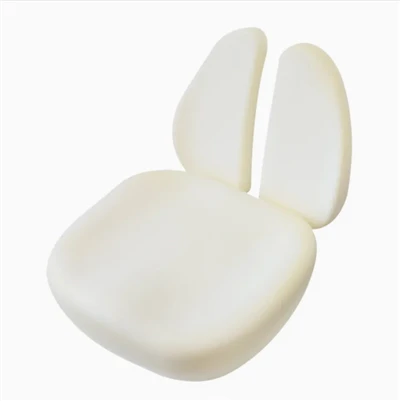
High-quality automotive polyurethane foam offers:
Excellent resiliencehttps://www.custompolyurethanefoam.com/automotive-pu-foam/car-seat-foam/best-foam-for-car-seats.html
Fast compression recovery
Strong fatigue resistance
Long service life
Stable mechanical performance
These properties make it suitable for vehicles that experience frequent daily use.
Memory Foam
Memory foam performs well in terms of pressure relief but generally recovers more slowly after compression.
Its durability depends heavily on formulation quality and application. When used as a comfort layer rather than the main structural foam, it can provide long-lasting comfort while working together with high-resilience polyurethane foam.
Weight and Temperature Performance
Vehicle interiors are exposed to a wide range of temperatures throughout the year.
Standard automotive PU foam maintains relatively consistent support across varying environmental conditions.
Memory foam, however, is more temperature-sensitive. In colder environments it may feel firmer and recover more slowly, while in warmer conditions it becomes softer and contours more easily.
Manufacturers carefully consider these characteristics when designing seating systems for different climates.
Which Foam Do Modern Vehicles Use?
Most modern passenger vehicles do not rely on only one type of foam.
Instead, premium seating systems often combine multiple materials:
High-resilience polyurethane foam provides structural support.
Memory foam enhances pressure relief in selected areas.
Additional cushioning materials improve overall seating comfort.
This layered design allows manufacturers to optimize both comfort and durability without compromising safety.
Which Material Is Better?
There is no universal winner because each material serves a different purpose.
Standard automotive PU foam is generally the better choice when:
Long-term durability is required.
Consistent body support is important.
Fast recovery after repeated use is needed.
Structural seat performance is the priority.
Memory foam is an excellent option when:
Additional pressure relief is desired.
Long-distance comfort is a priority.
It is used as a supplementary comfort layer rather than the main seat structure.
Many premium automotive seating systems achieve the best overall performance by combining both materials.
Conclusion
Standard polyurethane seat foam and memory foam each offer unique advantages in automotive seating.
PU foam provides the structural support, resilience, and durability required for safe, long-term vehicle use, making it the preferred material for primary seat construction. Memory foam enhances comfort by reducing pressure points and improving body contouring, making it an ideal complement rather than a replacement.
For automotive manufacturers and component buyers, the best seating solution often combines high-resilience polyurethane foam with strategically placed memory foam layers to deliver excellent comfort, reliable support, and lasting performance.
Frequently Asked Questions
Is memory foam better than standard car seat foam?
Memory foam offers superior pressure relief, while standard automotive PU foam provides better structural support and long-term durability. Many premium vehicle seats combine both materials.
Why do most car manufacturers use polyurethane foam?
Polyurethane foam is lightweight, durable, resilient, and capable of maintaining consistent support through years of daily use, making it ideal for automotive seating.
Is memory foam safe for car seats?
Yes. Memory foam is commonly used as a comfort layer in automotive seating systems. However, it is rarely used as the primary structural foam because of its slower recovery characteristics.
Which foam lasts longer?
High-quality automotive polyurethane foam generally offers better long-term structural durability, while memory foam is primarily designed to improve comfort.
Can automotive seat foam be customized?
Yes. Manufacturers can customize foam density, hardness, resilience, shape, and layering to meet specific vehicle and seating requirements.