

As a dedicated shoe tree supplier, I've witnessed firsthand the crucial role these unassuming accessories play in maintaining the shape and longevity of footwear. One of the most common questions I encounter is, "What materials are shoe trees made of?" In this blog post, I'll delve into the various materials used in shoe tree manufacturing, their unique properties, and how they impact the performance and quality of the product.
Wood
Wood is perhaps the most traditional and widely recognized material for shoe trees. It has been used for centuries due to its natural beauty, durability, and ability to absorb moisture. Here are some of the most common types of wood used in shoe tree production:
- Cedar: Cedar is a popular choice for shoe trees because of its natural aroma, which helps to freshen shoes and deter insects. It also has excellent moisture-wicking properties, absorbing up to 30% of its weight in water without becoming saturated. Cedar shoe trees are often used in high-end footwear to maintain their shape and freshness.
- Birch: Birch is a dense, hard wood that is known for its strength and durability. It is less expensive than cedar but still offers good moisture absorption and odor control. Birch shoe trees are a popular choice for everyday use and are often used in casual and work shoes.
- Maple: Maple is a light-colored wood that is known for its smooth finish and resistance to wear and tear. It is less porous than cedar and birch, which means it absorbs less moisture but also dries more quickly. Maple shoe trees are often used in dress shoes and other formal footwear.
Wooden shoe trees are typically handcrafted and can be customized to fit the specific shape and size of the shoe. They are available in a variety of styles, including full-length, half-length, and adjustable, to suit different types of footwear. However, wooden shoe trees can be more expensive than other materials and require regular maintenance to prevent cracking and warping.
Plastic
Plastic is a lightweight, durable, and inexpensive material that is commonly used in shoe tree manufacturing. It is available in a variety of colors and styles and can be easily molded into different shapes and sizes. Here are some of the most common types of plastic used in shoe tree production:
- PVC: PVC (polyvinyl chloride) is a versatile plastic that is known for its strength, flexibility, and resistance to moisture and chemicals. It is often used in the production of adjustable shoe trees because it can be easily bent and shaped to fit the shoe. PVC shoe trees are a popular choice for everyday use and are often used in casual and athletic shoes.
- ABS: ABS (acrylonitrile butadiene styrene) is a strong, rigid plastic that is known for its impact resistance and durability. It is often used in the production of full-length shoe trees because it can support the weight of the shoe and maintain its shape over time. ABS shoe trees are a popular choice for dress shoes and other formal footwear.
- Polypropylene: Polypropylene is a lightweight, flexible plastic that is known for its resistance to heat, chemicals, and moisture. It is often used in the production of half-length shoe trees because it can be easily inserted into the shoe and provide support without adding too much weight. Polypropylene shoe trees are a popular choice for travel and storage.
Plastic shoe trees are typically mass-produced and are available in a variety of styles and sizes to suit different types of footwear. They are less expensive than wooden shoe trees and require minimal maintenance. However, plastic shoe trees do not offer the same level of moisture absorption and odor control as wooden shoe trees, and they may not be as durable over time.
Foam
Foam is a lightweight, flexible, and affordable material that is commonly used in shoe tree manufacturing. It is available in a variety of densities and colors and can be easily cut and shaped to fit the shoe. Here are some of the most common types of foam used in shoe tree production:
- PU Foam: PU (polyurethane) foam is a soft, flexible foam that is known for its comfort and support. It is often used in the production of full-length and half-length shoe trees because it can conform to the shape of the shoe and provide a snug fit. PU foam shoe trees are a popular choice for casual and athletic shoes and are available in a variety of styles, including adjustable and non-adjustable.
- EVA Foam: EVA (ethylene vinyl acetate) foam is a lightweight, shock-absorbent foam that is known for its durability and flexibility. It is often used in the production of half-length shoe trees because it can provide support and cushioning without adding too much weight. EVA foam shoe trees are a popular choice for travel and storage and are available in a variety of colors and styles.
Foam shoe trees are typically inexpensive and require minimal maintenance. They are available in a variety of styles and sizes to suit different types of footwear and are a popular choice for everyday use. However, foam shoe trees do not offer the same level of moisture absorption and odor control as wooden shoe trees, and they may not be as durable over time.
Foam and Wood Composite
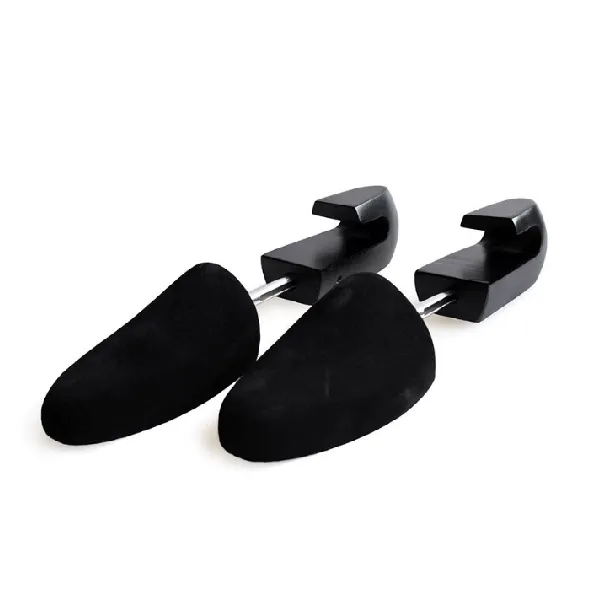
Foam and wood composite shoe trees combine the benefits of both materials, offering the moisture absorption and odor control of wood with the lightweight and flexibility of foam. These shoe trees typically have a wooden core surrounded by a layer of foam, which provides a comfortable and supportive fit. Foam and wood composite shoe trees are available in a variety of styles and sizes to suit different types of footwear and are a popular choice for both casual and formal shoes.
Other Materials
In addition to wood, plastic, foam, and foam and wood composite, there are other materials that can be used in shoe tree manufacturing. These include:
- Metal: Metal shoe trees are typically made of aluminum or steel and are known for their strength and durability. They are often used in industrial and work shoes and can provide support and protection for the shoe. However, metal shoe trees are heavier and more expensive than other materials and may not be as comfortable to wear.
- Leather: Leather shoe trees are typically made of genuine leather and are known for their luxurious appearance and feel. They are often used in high-end dress shoes and can provide a stylish and sophisticated look. However, leather shoe trees are more expensive than other materials and require regular maintenance to prevent cracking and drying.
Choosing the Right Material
When choosing a shoe tree, it's important to consider the type of shoe you have, your budget, and your personal preferences. Here are some factors to keep in mind:
- Type of Shoe: Different types of shoes require different types of shoe trees. For example, dress shoes may require a full-length, adjustable shoe tree to maintain their shape, while casual shoes may only need a half-length or non-adjustable shoe tree.
- Budget: Shoe trees can range in price from a few dollars to several hundred dollars, depending on the material, style, and brand. It's important to choose a shoe tree that fits your budget while still providing the quality and performance you need.
- Personal Preferences: Some people prefer the natural look and feel of wooden shoe trees, while others prefer the lightweight and flexibility of plastic or foam shoe trees. It's important to choose a shoe tree that you feel comfortable using and that meets your specific needs.
Conclusion
In conclusion, shoe trees are an essential accessory for anyone who wants to maintain the shape and longevity of their footwear. There are a variety of materials available for shoe tree manufacturing, each with its own unique properties and benefits. Wooden shoe trees offer the best moisture absorption and odor control but can be more expensive and require regular maintenance. Plastic shoe trees are lightweight, durable, and inexpensive but do not offer the same level of moisture absorption and odor control as wooden shoe trees. Foam shoe trees are lightweight, flexible, and affordable but may not be as durable over time. Foam and wood composite shoe trees combine the benefits of both materials, offering the moisture absorption and odor control of wood with the lightweight and flexibility of foam.
As a shoe tree supplier, I offer a wide range of shoe trees made from different materials and styles to suit your specific needs. Whether you're looking for a traditional wooden shoe tree for your dress shoes or a lightweight foam shoe tree for your casual shoes, I have the perfect solution for you. To learn more about our products, please visit our website Shoe Tree For Shoes. We also offer Foam Shoe Tree and Ladies Foam Shoe Trees for your convenience.
If you have any questions or would like to discuss your shoe tree needs, please don't hesitate to contact us. We're here to help you find the perfect shoe tree for your shoes and to ensure that you get the most out of your footwear investment.

References
- "Shoe Trees: A Guide to Choosing the Right One." The Spruce, 2021.
- "The Best Shoe Trees for Every Type of Shoe." Real Simple, 2021.
- "How to Choose the Right Shoe Tree." Footwear News, 2021.