

As a seasoned supplier of machine parts, I've witnessed firsthand the complex interplay of factors that determine the cost of these essential components. In this blog post, I'll delve into the key elements that influence the pricing of machine parts, offering insights that can help both buyers and industry professionals make informed decisions.
Material Costs
One of the most significant factors in the cost of machine parts is the material used in their production. Different materials come with varying price tags, depending on their availability, quality, and properties. For instance, high-grade metals such as stainless steel and titanium are more expensive than common metals like iron and aluminum due to their superior strength, corrosion resistance, and durability. Similarly, advanced polymers and composites can be costly because of their unique properties, such as high heat resistance and lightweight construction.
The quality of the material also plays a crucial role in determining its cost. Higher-quality materials often undergo more rigorous testing and processing, which adds to their price. Additionally, the source of the material can impact its cost. Materials sourced from regions with limited supply or high production costs may be more expensive than those sourced from areas with abundant resources and efficient manufacturing processes.
Manufacturing Processes
The manufacturing processes used to produce machine parts can significantly affect their cost. Complex manufacturing processes, such as precision machining, forging, and casting, require specialized equipment, skilled labor, and precise control, which can drive up the cost of production. On the other hand, simpler manufacturing processes, such as stamping and injection molding, are generally more cost-effective because they require less equipment and labor.
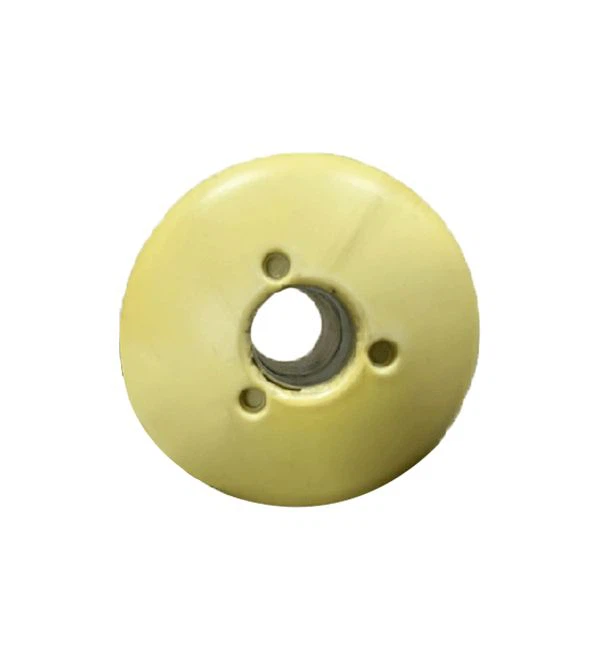
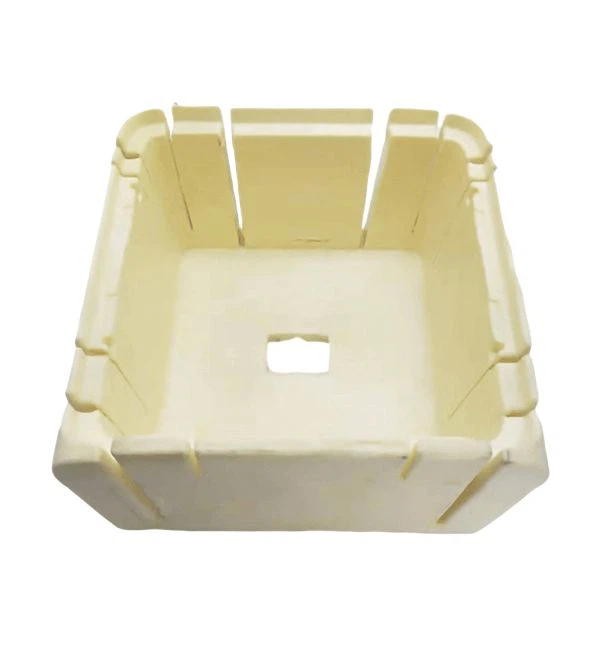
The level of precision required in the manufacturing process also impacts the cost. Parts that require tight tolerances and high levels of accuracy demand more advanced machinery and skilled operators, which can increase the production cost. Additionally, the complexity of the part's design can affect the manufacturing process and, consequently, its cost. Parts with intricate shapes, internal features, or multiple components may require more time and effort to manufacture, leading to higher costs.
Design Complexity
The design of a machine part can have a substantial impact on its cost. Complex designs often require more time and resources to develop, test, and manufacture. Parts with intricate geometries, custom features, or unique specifications may require specialized tooling and manufacturing processes, which can increase the production cost. Additionally, the number of components in a part can affect its cost. Parts with multiple components may require more assembly time and labor, leading to higher costs.
The design of a machine part can also influence its performance and durability. Parts that are designed to meet specific performance requirements or operate in harsh environments may require more advanced materials and manufacturing processes, which can increase their cost. However, investing in high-quality parts can often result in long-term savings by reducing downtime, maintenance costs, and the need for frequent replacements.
Quantity and Volume
The quantity and volume of machine parts ordered can significantly affect their cost. Generally, the more parts you order, the lower the unit cost. This is because manufacturers can take advantage of economies of scale by producing larger quantities of parts at a time. Bulk orders allow manufacturers to spread the fixed costs of production, such as tooling and setup costs, over a larger number of parts, resulting in lower per-unit costs.
However, it's important to note that there may be a minimum order quantity (MOQ) required by manufacturers. Orders below the MOQ may incur additional costs, such as setup fees or higher per-unit prices. Therefore, it's essential to consider your production needs and budget when determining the quantity of parts to order.
Quality and Certification
The quality of machine parts is a critical factor in determining their cost. High-quality parts are typically more expensive than lower-quality parts because they are made from better materials, manufactured using more precise processes, and undergo more rigorous testing and inspection. Quality parts are more reliable, durable, and perform better, which can result in long-term savings by reducing downtime, maintenance costs, and the need for frequent replacements.
Certification is another important aspect of quality. Parts that meet industry standards and certifications, such as ISO 9001 or AS9100, are often more expensive than non-certified parts. Certification ensures that the parts have been manufactured to specific quality standards and have undergone rigorous testing and inspection. While certified parts may cost more upfront, they can provide peace of mind and assurance of quality, which can be valuable in certain industries or applications.
Market Demand and Supply
The market demand and supply for machine parts can also influence their cost. When the demand for a particular part is high and the supply is limited, the price of the part is likely to increase. Conversely, when the demand for a part is low and the supply is abundant, the price of the part is likely to decrease.
Market trends and economic conditions can also impact the demand and supply of machine parts. For example, a growing economy may lead to increased demand for machine parts as industries expand and invest in new equipment. On the other hand, a recession or economic downturn may result in decreased demand for machine parts as industries cut back on production and investment.
Transportation and Logistics
The cost of transporting and delivering machine parts can also add to their overall cost. The distance between the manufacturer and the customer, the mode of transportation, and the weight and size of the parts can all affect the transportation cost. Additionally, customs duties, taxes, and other fees may apply when importing or exporting machine parts, which can further increase the cost.
To minimize transportation and logistics costs, it's important to work with a reliable and cost-effective shipping provider. Consider consolidating orders to reduce the number of shipments and take advantage of volume discounts. Additionally, explore options for local sourcing or manufacturing to reduce transportation distances and costs.
Conclusion
In conclusion, the cost of machine parts is influenced by a multitude of factors, including material costs, manufacturing processes, design complexity, quantity and volume, quality and certification, market demand and supply, and transportation and logistics. As a machine parts supplier, I understand the importance of providing high-quality parts at competitive prices. By carefully considering these key factors, I can help my customers make informed decisions and find the most cost-effective solutions for their needs.
If you're in the market for machine parts, I invite you to explore our extensive range of products, including Foam Machine Part and High Density Foam Machine Parts. Our team of experts is dedicated to providing personalized service and support to help you find the right parts for your application. Contact us today to discuss your requirements and start a procurement discussion.
References
- "Manufacturing Engineering and Technology" by Serope Kalpakjian and Steven R. Schmid
- "Cost Estimation for Engineering and Management" by Phillip F. Ostwald and Timothy A. McLaren
- "The Handbook of Supply Chain Management" by David Simchi-Levi, Philip Kaminsky, and Edith Simchi-Levi