

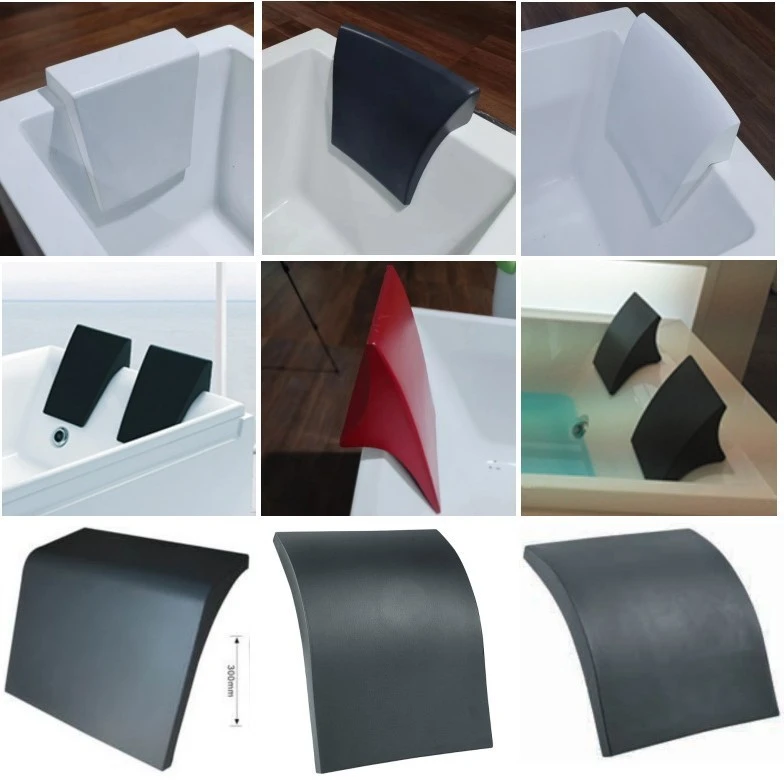
Household PU foam, also known as polyurethane foam, has become a popular choice for various household applications due to its versatility, comfort, and insulation properties. As a household PU foam supplier, I've witnessed firsthand the widespread use of this material in products like PU Bathtub Therapy Pillow, Molded Foam Seat Cushions, and Polyurethane Bathtub Pillow. However, like any material, it comes with its own set of disadvantages that consumers should be aware of.
1. Chemical Composition and Health Risks
One of the primary concerns with household PU foam is its chemical composition. Polyurethane foam is made by reacting polyols and diisocyanates. Diisocyanates are known to be highly reactive and can cause a range of health problems. During the manufacturing process, if not properly controlled, diisocyanates can be released into the air. Even after the foam is produced, small amounts of these chemicals can off - gas over time.
Exposure to diisocyanates can lead to respiratory problems such as asthma, bronchitis, and other allergic reactions. Skin contact with these chemicals can cause dermatitis and irritation. For individuals with pre - existing respiratory conditions or chemical sensitivities, the presence of these chemicals in household PU foam products can be particularly problematic.
Moreover, some older formulations of PU foam may contain flame retardants. Many of these flame retardants, such as polybrominated diphenyl ethers (PBDEs), have been linked to health issues including thyroid disruption, reduced fertility, and developmental problems in children. Although there are now regulations in place to limit the use of harmful flame retardants, older products may still pose a risk.
2. Environmental Impact
The production of household PU foam has a significant environmental footprint. The raw materials used in its production, such as petroleum - based polyols, are derived from non - renewable resources. The extraction and processing of these resources contribute to environmental degradation, including habitat destruction, water pollution, and greenhouse gas emissions.
In addition, the manufacturing process of PU foam is energy - intensive. Large amounts of energy are required to heat, mix, and shape the raw materials into foam. This energy consumption further contributes to carbon emissions and climate change.
When it comes to disposal, household PU foam is not easily biodegradable. It can take hundreds of years for the foam to break down in a landfill. As a result, large amounts of PU foam waste accumulate over time, taking up valuable landfill space. Some attempts have been made to recycle PU foam, but the process is complex and not widely available. This means that a significant portion of used household PU foam ends up in landfills, contributing to the growing waste problem.
3. Durability and Long - Term Performance
While household PU foam is often praised for its initial comfort and support, its long - term durability can be a drawback. Over time, PU foam can break down and lose its shape. This is especially true for low - quality foam or foam that is subjected to heavy use.
In products like seat cushions, the foam may start to sag after a few years of regular sitting. This not only affects the comfort of the product but also its aesthetic appeal. The loss of shape can also lead to uneven support, which may cause discomfort and even back problems for users.
In addition, PU foam is susceptible to damage from moisture. If the foam gets wet, it can develop mold and mildew. Mold growth not only looks unsightly but can also pose a health risk, as mold spores can be released into the air and cause respiratory problems. Once mold has developed in the foam, it can be difficult to remove completely, and in many cases, the foam may need to be replaced.
4. Cost
In some cases, household PU foam products can be relatively expensive. The cost of raw materials, combined with the energy - intensive manufacturing process, can drive up the price of the final product. For consumers on a tight budget, the cost of high - quality PU foam products may be prohibitive.

Moreover, because of its relatively short lifespan compared to some other materials, consumers may find themselves having to replace PU foam products more frequently. This can add up to significant costs over time. For example, if a seat cushion made of PU foam needs to be replaced every few years, the long - term cost can be much higher than a more durable alternative.
5. Flammability and Safety Concerns
Although many household PU foam products are treated with flame retardants, they are still flammable. In the event of a fire, PU foam can burn quickly and release toxic gases. The combustion of PU foam produces carbon monoxide, hydrogen cyanide, and other harmful chemicals. These gases can be extremely dangerous, as they can cause asphyxiation and other serious health problems.
Even with the use of flame retardants, there is no guarantee that the foam will not catch fire or that it will not contribute to the spread of a fire. In some cases, the flame retardants themselves can release toxic fumes when burned, adding to the overall danger.
6. Maintenance Requirements
Household PU foam products require a certain level of maintenance to keep them in good condition. As mentioned earlier, they are susceptible to mold and mildew growth if exposed to moisture. To prevent this, the foam needs to be kept dry at all times. This may require special care in areas with high humidity or in products that are likely to come into contact with water, such as bathtub pillows.
Cleaning PU foam can also be a challenge. Harsh cleaning agents can damage the foam, so gentle cleaning solutions need to be used. In addition, some stains may be difficult to remove from the foam, which can affect the appearance of the product.
Despite these disadvantages, household PU foam still has its place in the market due to its many useful properties. At our company, we are constantly working to address these issues. We are committed to using safer raw materials, improving the manufacturing process to reduce emissions, and developing more sustainable and durable foam products.
If you are considering purchasing household PU foam products, it is important to weigh the advantages and disadvantages carefully. We understand that you may have concerns about these issues, and we are here to provide you with more information and guidance. If you are interested in our household PU foam products and would like to discuss your specific needs, we invite you to contact us for a procurement negotiation. We are confident that we can offer you high - quality products that meet your requirements while minimizing the associated risks.
References
- "Polyurethane Foam: Chemistry, Technology, and Applications" by D. Klempner and K. C. Frisch.
- "Health Effects of Diisocyanates" by the National Institute for Occupational Safety and Health (NIOSH).
- "Environmental Impact of Polyurethane Production" by the Environmental Protection Agency (EPA).