

When it comes to maintaining the shape and longevity of your shoes, shoe trees are an indispensable accessory. As a dedicated shoe tree supplier, I've witnessed firsthand the diverse needs of customers and the wide range of shoe trees available to meet them. In this blog post, I'll explore the different types of shoe trees, their unique features, and the benefits they offer.
Wooden Shoe Trees
Wooden shoe trees are perhaps the most traditional and well - known type. They are typically made from materials like cedar, which has natural aromatic properties. Cedarwood helps to absorb moisture and odor from shoes, keeping them fresh. The porous nature of the wood allows it to wick away sweat, preventing the growth of bacteria and fungi that can cause unpleasant smells.
One of the key advantages of wooden shoe trees is their ability to retain the shape of the shoe. They are rigid enough to hold the shoe's form, even when not in use for an extended period. This is especially important for leather shoes, as it helps prevent creasing and cracking. Wooden shoe trees often come with adjustable features, such as a screw mechanism at the heel. This allows you to customize the fit of the shoe tree according to the shoe's size, ensuring a snug and effective shape - retention.
However, wooden shoe trees can be relatively expensive compared to other types. They also require some maintenance. If they get wet, they need to be dried properly to prevent warping. But for those who own high - end leather shoes and are willing to invest in their care, wooden shoe trees are an excellent choice. Shoe Tree For Shoes

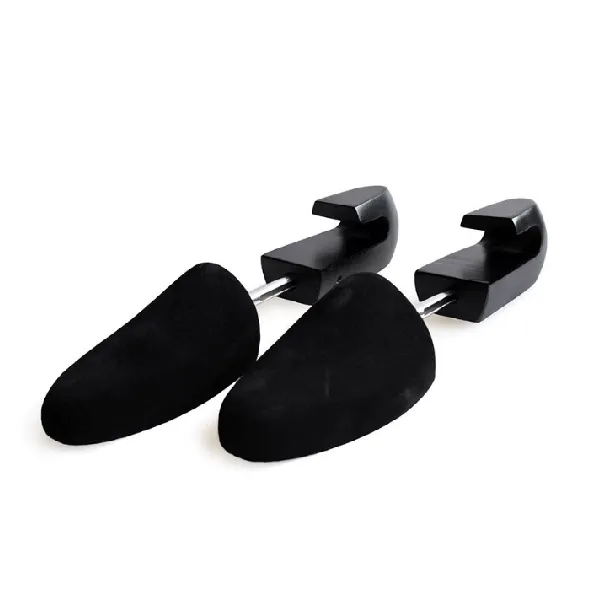
Plastic Shoe Trees
Plastic shoe trees are a more affordable alternative to wooden ones. They are lightweight and durable, making them suitable for everyday use. Plastic shoe trees are often made from high - quality polymers that can withstand regular insertion and removal from shoes.
These shoe trees are available in a variety of shapes and sizes, and they can effectively maintain the shape of the shoe. They are less likely to be affected by moisture compared to wooden shoe trees, which makes them a good option for areas with high humidity. However, plastic shoe trees do not have the natural odor - absorbing properties of cedarwood. They are mainly focused on shape retention.
Some plastic shoe trees come with additional features like ventilation holes. These holes help to improve air circulation inside the shoe, reducing the build - up of moisture and odor to some extent. Plastic shoe trees are a practical choice for those on a budget or for shoes that are not as expensive.
Foam Shoe Trees
Foam shoe trees are soft and flexible. They are made from materials such as polyurethane foam. One of the main benefits of foam shoe trees is their ability to conform to the shape of the shoe. Unlike rigid wooden or plastic shoe trees, foam shoe trees can adapt to the unique contours of different shoe styles, providing a more customized fit.
Foam Shoe Tree Foam shoe trees are also very lightweight, which makes them easy to insert and remove from shoes. They are gentle on the shoe's interior, reducing the risk of damage during use. Additionally, foam shoe trees can help to protect the shoe from dust and debris when not in use.
However, foam shoe trees may not be as effective as wooden or plastic shoe trees in terms of long - term shape retention. They are more suitable for short - term use or for shoes that do not require strict shape maintenance. For example, they can be great for casual shoes or sneakers.
Ladies Foam Shoe Trees
Specifically designed for women's shoes, Ladies Foam Shoe Trees take into account the unique shape and size of women's footwear. Women's shoes often have a more tapered toe box and a different arch shape compared to men's shoes. Ladies foam shoe trees are crafted to fit these specific contours, ensuring optimal shape retention.
These shoe trees are also available in a variety of colors and styles, which can be a nice aesthetic touch. They are lightweight and easy to use, making them convenient for women who want to keep their shoes in good condition. Whether it's high - heeled pumps or flat sandals, ladies foam shoe trees can help maintain the shape and appearance of the shoes.
Adjustable Shoe Trees
Adjustable shoe trees, whether made of wood, plastic, or a combination of materials, offer a high level of versatility. They typically have a mechanism that allows you to change the length and sometimes the width of the shoe tree. This is extremely useful for people who own shoes of different sizes or for those who want a single shoe tree to fit multiple pairs of shoes.
For example, if you have a pair of winter boots that are a bit wider than your regular dress shoes, an adjustable shoe tree can be adjusted to fit both. This not only saves money but also reduces the need for multiple shoe trees. Adjustable shoe trees are a great option for shoe collectors or those with a diverse shoe collection.
Split - Toe Shoe Trees
Split - toe shoe trees are designed with a unique feature: a split at the toe area. This design allows the shoe tree to better mimic the natural shape of the foot. When the foot is inside the shoe, the toes naturally spread out. The split - toe shoe tree accommodates this movement, providing a more realistic and effective shape - retention.
Split - toe shoe trees are especially beneficial for shoes with a pointed or narrow toe box. They help to prevent the toes from being compressed and keep the toe area of the shoe in good shape. This type of shoe tree is often used for dress shoes, where maintaining the proper shape of the toe is crucial for a polished look.
Boot Trees
Boots are a different type of footwear compared to regular shoes, and they require specialized shoe trees called boot trees. Boot trees are longer and sturdier to fit the height and structure of boots. They are designed to maintain the shape of the boot shaft as well as the foot area.
Boot trees can be made from various materials such as wood, plastic, or a combination. Some boot trees come with a telescoping design, which allows them to be adjusted to different boot lengths. This is useful for people who own boots of different heights, from ankle boots to knee - high boots. Boot trees help to prevent the boots from slouching or losing their shape when not in use.
Choosing the Right Shoe Tree
When choosing a shoe tree, several factors should be considered. First, think about the type of shoes you own. High - end leather shoes may benefit from the natural properties and shape - retention of wooden shoe trees. Casual shoes and sneakers can do well with foam shoe trees. Second, consider your budget. If you're on a tight budget, plastic or foam shoe trees may be more suitable.
The climate in your area also matters. In humid regions, plastic or foam shoe trees may be a better choice as they are less affected by moisture. If you have a large and diverse shoe collection, adjustable shoe trees or a combination of different types may be the way to go.
As a shoe tree supplier, I understand the importance of providing high - quality products that meet the diverse needs of customers. Whether you're looking for a simple foam shoe tree for your casual shoes or a premium wooden shoe tree for your leather dress shoes, we have a wide range of options available.
If you're interested in purchasing shoe trees for your personal use or for your business, I encourage you to reach out to us. We can provide detailed information about our products, help you choose the right type of shoe tree for your needs, and offer competitive pricing. Our team is dedicated to ensuring that you get the best shoe tree solution for your shoes. Don't hesitate to contact us to start the procurement and negotiation process.
References
- "The Care and Maintenance of Leather Shoes" - A guidebook on shoe care.
- Industry reports on shoe tree manufacturing and usage trends.