

Hey there! As a supplier of machine parts, I've seen firsthand the differences between standard and custom-made machine parts. In this blog post, I'm gonna break down these differences, so you can make an informed decision when it comes to your machine part needs.
What Are Standard Machine Parts?
Standard machine parts are like the off-the-shelf products in the world of machinery. They're mass-produced to fit a wide range of applications. These parts are made according to established industry standards and specifications. For example, nuts, bolts, and bearings are common standard machine parts.
One of the biggest advantages of standard machine parts is their availability. You can usually find them in stock at local suppliers or online stores. This means you can get your hands on them quickly, which is great if you need to replace a part urgently. Also, because they're mass-produced, the cost of standard parts is generally lower. The economies of scale come into play here, as manufacturers can produce a large number of the same part at a lower per-unit cost.
However, standard parts also have their limitations. Since they're designed to fit a wide range of applications, they might not be the perfect fit for your specific machine. You might have to make some adjustments or compromises to get them to work. For instance, a standard bearing might have slightly different dimensions than what your machine requires, and you might need to do some minor machining to make it fit.
What Are Custom-Made Machine Parts?
Custom-made machine parts, on the other hand, are designed and manufactured to meet your specific requirements. If you have a unique machine or a special application that standard parts can't handle, custom parts are the way to go. For example, if you're working on a one-of-a-kind prototype machine, you'll likely need custom parts to ensure everything works perfectly.
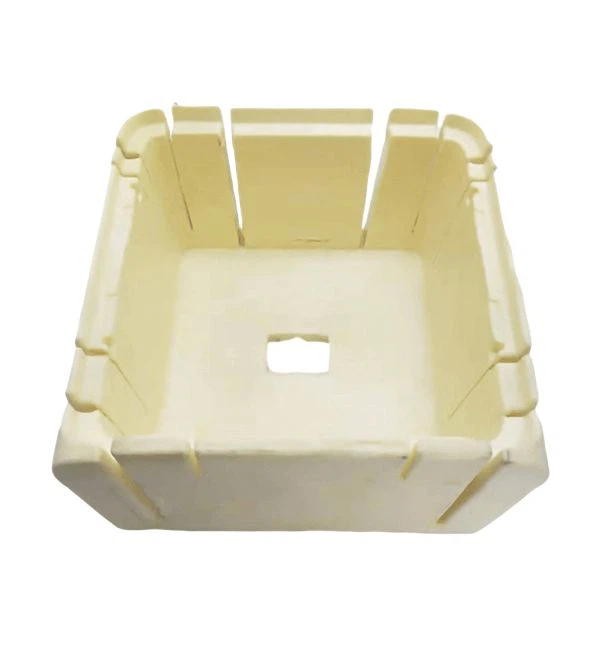
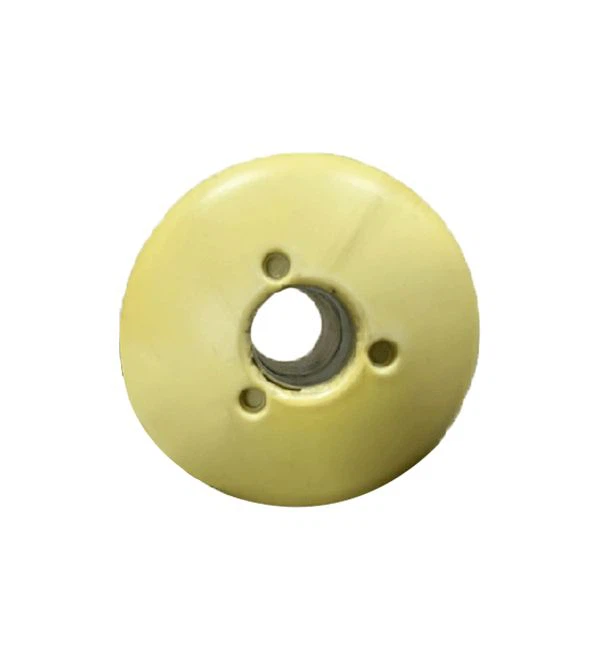
The biggest advantage of custom-made parts is their perfect fit. Since they're designed specifically for your machine, you don't have to worry about making adjustments or compromises. This can lead to better performance and reliability of your machine. Custom parts can also be made from special materials or with unique features that are not available in standard parts. For example, if you need a part that can withstand high temperatures or corrosive environments, you can have it made from a material that has the right properties.
But custom-made parts also come with some drawbacks. The cost of custom parts is usually higher than standard parts. The design and manufacturing process for custom parts is more complex and time-consuming. You'll need to work closely with a manufacturer to design the part, and then wait for it to be manufactured. This can result in longer lead times, which might not be ideal if you need the part urgently.
Key Differences Between Standard and Custom-Made Machine Parts
Design and Specification
- Standard Parts: These are designed based on general industry requirements. They follow well-established standards and specifications, which means they're interchangeable with other parts of the same type. For example, a standard M8 bolt will have the same dimensions and thread pitch as any other M8 bolt on the market.
- Custom Parts: They're designed from scratch to meet your exact specifications. You can specify the dimensions, materials, surface finish, and any other features you need. This allows for a high degree of customization and optimization for your specific application.
Cost
- Standard Parts: As mentioned earlier, standard parts are generally cheaper due to mass production. The economies of scale allow manufacturers to produce them at a lower cost per unit. You can often find good deals on standard parts, especially if you buy in bulk.
- Custom Parts: The cost of custom parts is higher because of the additional design and manufacturing work involved. You're paying for the expertise of the manufacturer to design and produce a part that's unique to your needs.
Availability
- Standard Parts: They're readily available in the market. You can find them at local hardware stores, industrial suppliers, or online marketplaces. This makes it easy to get the parts you need quickly, without having to wait for a long time.
- Custom Parts: The availability of custom parts depends on the manufacturing process and the complexity of the design. It can take weeks or even months to get a custom part manufactured, especially if it requires special materials or processes.
Performance and Compatibility
- Standard Parts: While they can work well in many applications, they might not provide the optimal performance for your specific machine. You might experience some issues with compatibility or fit, which can affect the overall performance of your machine.
- Custom Parts: Since they're designed specifically for your machine, they offer the best possible performance and compatibility. You can be sure that the part will work seamlessly with the rest of your machine, leading to improved efficiency and reliability.
When to Choose Standard Parts and When to Choose Custom Parts
When to Choose Standard Parts
- Urgent Repairs: If you need to replace a part quickly to get your machine up and running again, standard parts are the best choice. You can usually find them in stock and have them installed right away.
- Low-Cost Applications: If cost is a major concern and the standard part can meet your basic requirements, it makes sense to go with standard parts. For example, if you're building a simple machine where high performance is not critical, standard parts can save you money.
- Common Applications: For applications that are common in the industry, standard parts are usually sufficient. For example, if you're building a conveyor belt system, you can use standard bearings, rollers, and belts.
When to Choose Custom Parts
- Unique Applications: If you have a unique machine or a special application that standard parts can't handle, custom parts are necessary. For example, if you're building a machine for a new and innovative product, you'll likely need custom parts to ensure its proper functioning.
- High-Performance Requirements: If your machine requires high performance and precision, custom parts are the way to go. You can have the parts designed and manufactured to meet the exact specifications needed for optimal performance.
- Long-Term Reliability: Custom parts can offer better long-term reliability because they're designed to fit your machine perfectly. This can reduce the risk of breakdowns and maintenance issues in the future.
Our Offerings as a Machine Parts Supplier
As a machine parts supplier, we offer both standard and custom-made machine parts. We have a wide range of standard parts in stock, including Foam Machine Part, PU Mechanical Protective Cover, and High Density Foam Machine Parts. These parts are of high quality and are available at competitive prices.
If you need custom-made parts, we have a team of experienced engineers and manufacturers who can work with you to design and produce the parts you need. We use the latest technology and manufacturing processes to ensure the highest quality and precision.
Conclusion
In conclusion, the choice between standard and custom-made machine parts depends on your specific needs and requirements. Standard parts are a great option for common applications, urgent repairs, and cost-sensitive projects. Custom parts, on the other hand, are ideal for unique applications, high-performance requirements, and long-term reliability.
If you're in the market for machine parts, whether standard or custom-made, we'd love to help you. Feel free to reach out to us to discuss your needs and get a quote. We're here to provide you with the best possible solutions for your machine part requirements.
References
- "Machine Design: An Integrated Approach" by Robert L. Norton
- "Manufacturing Engineering and Technology" by Serope Kalpakjian and Steven R. Schmid