

When it comes to the world of machine parts, one of the most fundamental distinctions is between metric and imperial systems. As a machine parts supplier, understanding these differences is crucial for providing the right products to our customers. In this blog, we'll explore the key disparities between metric and imperial machine parts, their implications for manufacturing, and how they affect your sourcing decisions.
1. Measurement Units: The Core Difference
The most obvious difference between metric and imperial machine parts lies in the measurement units used. The metric system is based on the International System of Units (SI), which uses millimeters (mm), centimeters (cm), and meters (m) for length, grams (g) and kilograms (kg) for mass, and liters (L) for volume. In contrast, the imperial system uses inches (in), feet (ft), and yards (yd) for length, ounces (oz) and pounds (lb) for mass, and gallons (gal) for volume.
For example, a metric bolt might have a diameter of 10 mm, while an imperial bolt could have a diameter of 3/8 inch. These differences are not just numerical; they represent two distinct ways of quantifying physical properties, which can have a significant impact on the design, compatibility, and interchangeability of machine parts.
2. Design and Manufacturing Standards
Metric and imperial systems also have different design and manufacturing standards. In many countries, the metric system is the standard for industrial production, which means that most machine parts are designed and manufactured to metric specifications. This is particularly true in Europe, Asia, and many parts of South America. In the United States, however, the imperial system is still widely used, especially in certain industries such as automotive and aerospace.
These differences in standards can lead to challenges when it comes to international trade and compatibility. For instance, if a company in Europe wants to purchase machine parts from a supplier in the United States, they may need to ensure that the parts are compatible with their metric-based equipment. This may require additional machining or modification to make the parts fit properly.
3. Precision and Tolerance
Another important difference between metric and imperial machine parts is the level of precision and tolerance. The metric system is generally considered to be more precise and easier to work with because it is based on a decimal system. This means that measurements can be easily converted between different units, and tolerances can be specified more accurately.
In contrast, the imperial system uses fractions, which can make it more difficult to achieve high levels of precision. For example, specifying a tolerance of ±0.001 inch is more challenging than specifying a tolerance of ±0.025 mm. As a result, metric machine parts are often preferred in applications where high precision is required, such as in the medical and aerospace industries.
4. Availability and Sourcing
The availability of metric and imperial machine parts can also vary depending on your location and the industry you are in. In regions where the metric system is the standard, metric parts are generally more readily available and may be less expensive. Conversely, in areas where the imperial system is dominant, imperial parts may be easier to source.
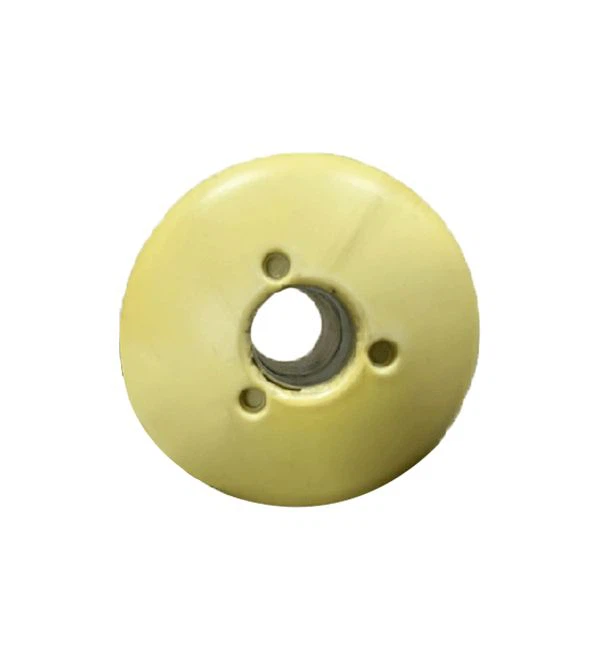
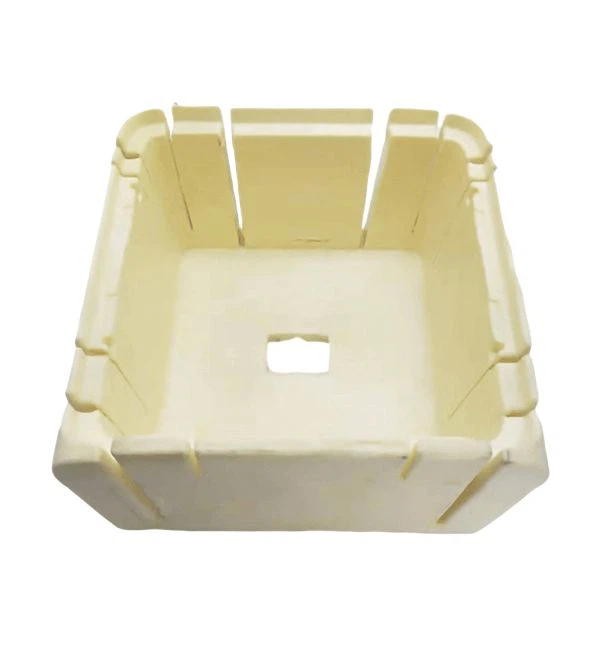
As a machine parts supplier, we understand the importance of providing our customers with the parts they need, regardless of the measurement system. That's why we offer a wide range of both metric and imperial machine parts to meet the diverse needs of our clients. Whether you're looking for Foam Machine Part or High Density Foam Machine Parts, we have the expertise and inventory to provide you with the right solution.
5. Compatibility and Interchangeability
One of the biggest challenges when working with metric and imperial machine parts is ensuring compatibility and interchangeability. In some cases, it may be possible to use metric and imperial parts together, but this often requires careful consideration and modification. For example, a metric nut may not fit properly on an imperial bolt, and vice versa.
To avoid compatibility issues, it's important to clearly specify the measurement system when ordering machine parts. If you're unsure whether a particular part is compatible with your equipment, our team of experts can provide you with guidance and assistance. We can also help you identify alternative parts or make modifications to ensure a proper fit.
6. Cost Considerations
Cost is another important factor to consider when choosing between metric and imperial machine parts. In general, metric parts tend to be less expensive than imperial parts, especially in regions where the metric system is the standard. This is because metric parts are often mass-produced and have a larger market, which can lead to lower production costs.
However, the cost difference may not always be significant, especially for custom or specialized parts. In some cases, the cost of machining or modifying a part to fit a different measurement system may outweigh the savings from using a less expensive part. Therefore, it's important to consider the total cost of ownership, including the cost of the part, installation, and maintenance, when making a purchasing decision.
7. Future Trends
The trend towards globalization and standardization is gradually leading to an increased adoption of the metric system in many industries. As more countries and companies embrace the metric system, the demand for metric machine parts is likely to grow. This trend is also being driven by the need for greater compatibility and interchangeability in the global marketplace.
However, the imperial system is still deeply ingrained in certain industries and regions, and it is likely to remain in use for the foreseeable future. As a result, machine parts suppliers need to be able to provide both metric and imperial parts to meet the diverse needs of their customers.
Conclusion
In conclusion, the differences between metric and imperial machine parts are significant and can have a major impact on the design, manufacturing, and sourcing of machine parts. As a machine parts supplier, we are committed to providing our customers with the highest quality parts, regardless of the measurement system. Whether you need metric or imperial parts, our team of experts can help you find the right solution for your needs.
If you're interested in learning more about our machine parts or have any questions about metric and imperial systems, please don't hesitate to contact us. We look forward to working with you and helping you find the perfect solution for your business.
References
- International Organization for Standardization (ISO). ISO 1:2019, Standard Reference Temperature for Dimensional Measurements.
- American National Standards Institute (ANSI). ANSI B18.2.1-2011, Square and Hex Bolts and Screws (Inch Series).
- De Graaf, A. A., & Schipper, R. (2004). The metric system and its historical development. Measurement, 36(1), 1-10.