

Hey there! As a machine parts supplier, I've seen my fair share of issues that machine parts face in high - temperature environments. In this blog, I'll be sharing some of the common problems that can pop up when your machine parts are exposed to extreme heat.
1. Thermal Expansion
One of the most basic yet significant problems is thermal expansion. You see, when machine parts are heated, they expand. Different materials expand at different rates, which can spell trouble. For example, if you have a metal component and a plastic one in close contact, the metal might expand more rapidly than the plastic. This difference can lead to misalignments.
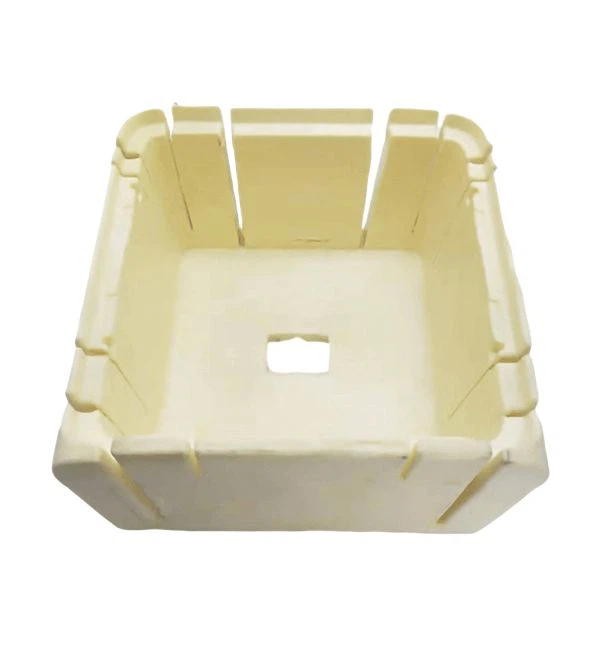
Let's say you're dealing with a Foam Machine Part. In a high - temperature environment, the parts of the foam machine that are made of different metals or a combination of metal and plastic can expand unevenly. This misalignment can cause the machine to malfunction. The foam might not be dispensed correctly, or the moving parts might start to grind against each other, leading to premature wear and tear.
2. Material Degradation
High temperatures can also cause material degradation. For metals, this could mean oxidation. When metal is exposed to high heat and oxygen, it starts to rust. Rust weakens the metal, making it more prone to breakage. You don't want a crucial part of your machine to snap in the middle of operation because it's been weakened by rust.
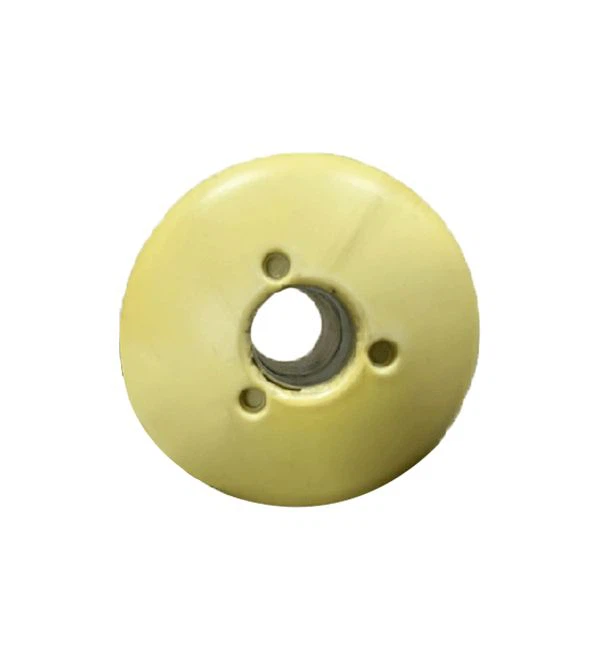
Plastic parts are no exception. In high - temperature environments, plastics can start to melt, warp, or become brittle. A High Density Foam Machine Parts that has plastic components might experience issues like the plastic parts losing their shape. This can affect the overall performance of the machine, as the parts won't fit together properly anymore.
3. Lubricant Breakdown
Lubricants are essential for the smooth operation of machine parts. They reduce friction between moving parts, which in turn reduces wear and tear. However, high temperatures can cause lubricants to break down.
When a lubricant breaks down, it loses its ability to lubricate effectively. The moving parts of the machine start to rub against each other more vigorously, generating even more heat. This creates a vicious cycle. The increased heat further breaks down the lubricant, and the parts wear out faster. In a high - temperature environment, you need to be extra careful about the type of lubricant you use and how often you replace it.
4. Electrical Issues
If your machine parts have electrical components, high temperatures can be a nightmare. Electrical conductivity can be affected by heat. For example, the resistance of a wire can increase with temperature. This can lead to power losses and overheating of the electrical components.
In extreme cases, high temperatures can cause insulation on wires to melt. This exposes the live wires, which is not only a safety hazard but can also lead to short - circuits. A short - circuit can damage the entire machine and even pose a fire risk.
5. Sealing Problems
Seals are used to prevent leaks in machines. In high - temperature environments, seals can lose their elasticity. They might start to shrink or become hard and brittle.
When seals fail, fluids or gases can leak out of the machine. This can not only lead to a loss of efficiency but also cause environmental hazards if the leaked substances are toxic or flammable. For instance, in a foam machine, a failed seal could cause the foam - forming chemicals to leak, which is a big no - no.
6. Fatigue and Creep
High - temperature environments can also cause fatigue and creep in machine parts. Fatigue is the weakening of a material due to repeated loading and unloading. In a high - temperature environment, the material's ability to withstand fatigue is reduced.
Creep, on the other hand, is the gradual deformation of a material under a constant load over time. At high temperatures, the rate of creep increases. This means that the machine parts can slowly change shape, which can affect the machine's performance.
Solutions to These Problems
Now that we've talked about the problems, let's discuss some solutions. First of all, you need to choose the right materials for your machine parts. For high - temperature applications, look for materials that have a high melting point and good thermal stability.
Proper insulation can also help. Insulating the machine parts can reduce the amount of heat they are exposed to. You can use insulation materials like ceramic fibers or refractory materials.
Regular maintenance is crucial. This includes checking for signs of wear and tear, replacing lubricants and seals at the recommended intervals, and inspecting electrical components for any signs of damage.
If you're facing problems with your machine parts in high - temperature environments, don't hesitate to reach out. As a machine parts supplier, I have a wide range of high - quality parts that are designed to withstand extreme heat. Whether you need a replacement Foam Machine Part or High Density Foam Machine Parts, I've got you covered.
We can work together to find the best solutions for your specific needs. Contact me if you're interested in discussing your requirements or placing an order. I'm always happy to help you keep your machines running smoothly, even in the toughest of environments.
References
- "Thermal Effects on Materials" - A textbook on materials science that covers how different materials react to high temperatures.
- "Machine Design for High - Temperature Applications" - A technical guide that provides insights into designing machines for extreme heat conditions.
- Industry reports on the performance of machine parts in high - temperature environments.