

Hey there! As a machine parts supplier, I've seen firsthand the amazing benefits of using composite materials for machine parts. In this blog post, I'm gonna share with you why composite materials are a game-changer in the world of machine parts.
First off, let's talk about what composite materials are. Composite materials are made by combining two or more different materials with different properties to create a new material with enhanced characteristics. These materials typically consist of a matrix material, like resin, and a reinforcement material, such as fibers. The combination of these materials results in a material that is stronger, lighter, and more durable than traditional materials.
One of the biggest benefits of using composite materials for machine parts is their high strength-to-weight ratio. Composite materials are incredibly strong, yet they are much lighter than traditional materials like steel or aluminum. This means that machine parts made from composite materials can perform just as well, if not better, than their metal counterparts while reducing the overall weight of the machine. This is especially important in industries where weight is a critical factor, such as aerospace and automotive.
For example, in the aerospace industry, every pound counts. By using composite materials for machine parts, aircraft manufacturers can reduce the weight of the aircraft, which in turn improves fuel efficiency and reduces emissions. In the automotive industry, composite materials can be used to make parts like body panels, engine components, and suspension parts, which can help to improve the performance and fuel efficiency of the vehicle.
Another benefit of composite materials is their corrosion resistance. Unlike metal parts, which are prone to rust and corrosion, composite materials are highly resistant to corrosion. This makes them ideal for use in harsh environments, such as marine and chemical processing applications. For instance, in the marine industry, composite materials can be used to make parts like boat hulls, decks, and propellers, which are constantly exposed to water and salt. These parts can last much longer than their metal counterparts, reducing maintenance costs and downtime.
Composite materials also offer excellent fatigue resistance. Machine parts are often subjected to repetitive loading and stress, which can cause them to fail over time. Composite materials have the ability to withstand these cyclic loads without experiencing fatigue failure. This means that machine parts made from composite materials can have a longer service life, reducing the need for frequent replacements.
In addition to their mechanical properties, composite materials can also be customized to meet specific requirements. The matrix and reinforcement materials can be selected and combined in different ways to achieve the desired properties. For example, if a machine part needs to have high stiffness, a high-strength fiber can be used in the composite. If the part needs to be flexible, a different type of fiber or matrix material can be chosen. This flexibility in design allows for the creation of machine parts that are optimized for specific applications.
Now, let's take a look at some of the specific machine parts that can benefit from the use of composite materials.
High Density Foam Machine Parts
High density foam machine parts are used in a variety of industries, including furniture manufacturing, packaging, and insulation. These parts are often subjected to high pressures and temperatures, and they need to be strong and durable. Composite materials are an excellent choice for high density foam machine parts because they can provide the necessary strength and heat resistance. You can check out more about High Density Foam Machine Parts on our website.
PU Mechanical Protective Cover
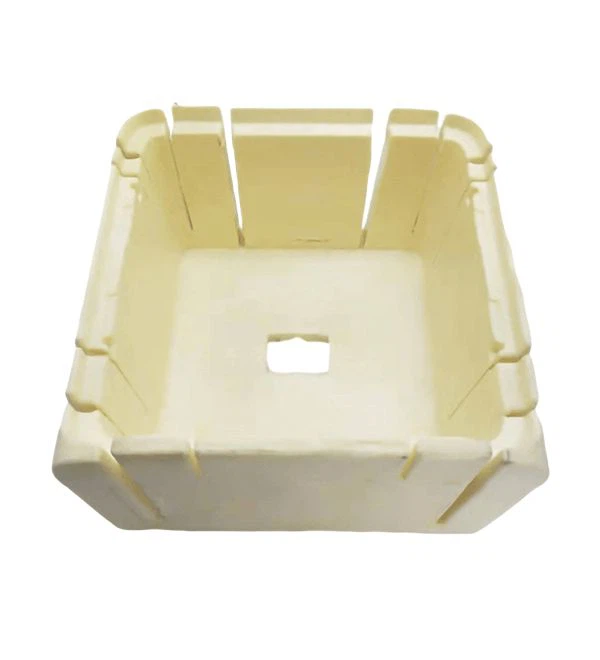
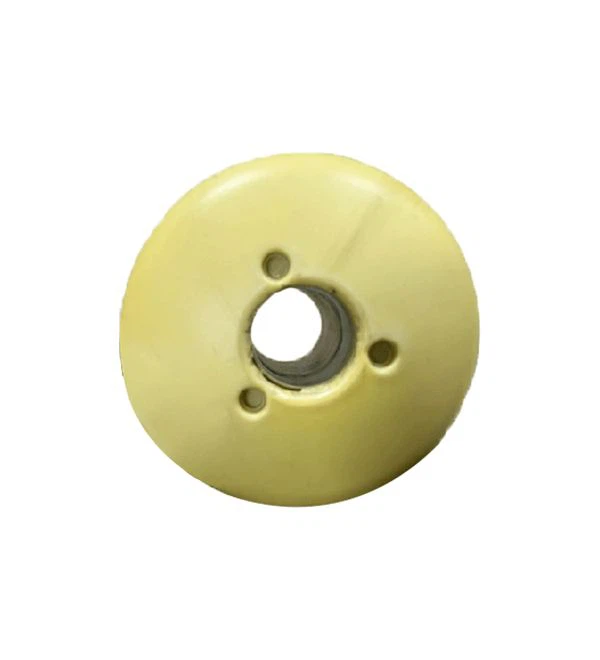
PU mechanical protective covers are used to protect machine parts from damage, dust, and debris. These covers need to be flexible, durable, and resistant to abrasion. Composite materials can be used to make PU mechanical protective covers that are lightweight, yet strong and flexible. They can also be designed to fit the specific shape and size of the machine part. To learn more about PU Mechanical Protective Cover, click the link.
Foam Machine Part
Foam machine parts are used in the production of foam products, such as mattresses, cushions, and insulation. These parts need to be precise and reliable to ensure the quality of the foam products. Composite materials can be used to make foam machine parts that are lightweight, corrosion-resistant, and have excellent dimensional stability. You can find more information about Foam Machine Part on our site.
In conclusion, the benefits of using composite materials for machine parts are numerous. From their high strength-to-weight ratio and corrosion resistance to their fatigue resistance and design flexibility, composite materials offer a superior alternative to traditional materials. If you're in the market for machine parts, I highly recommend considering composite materials. They can help you improve the performance, durability, and efficiency of your machines.
If you're interested in learning more about our machine parts made from composite materials or have any questions about our products, feel free to reach out to us. We'd be more than happy to discuss your specific needs and provide you with a customized solution.
References:
- "Composite Materials in Engineering" by John M. Whitney
- "Advanced Composite Materials for Aerospace Structures" by Rajiv Srivastava