

Yo! As a machine parts supplier, I've seen firsthand the growing use of plastic in the manufacturing of machine parts. There are tons of reasons why plastic has become such a popular choice, and I'm stoked to share some of the major advantages with you all.
1. Lightweight and Easy to Handle
One of the most obvious perks of using plastic for machine parts is its light weight. Compared to metals like steel or aluminum, plastic parts can be significantly lighter. This is a game - changer in many industries. For example, in the automotive industry, using plastic parts can reduce the overall weight of the vehicle. A lighter car means better fuel efficiency, which is not only great for the environment but also saves the consumers some serious cash at the pump.
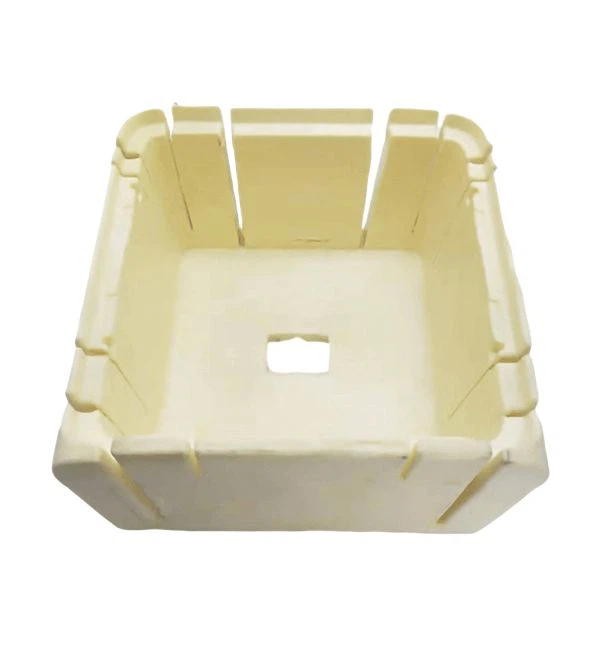
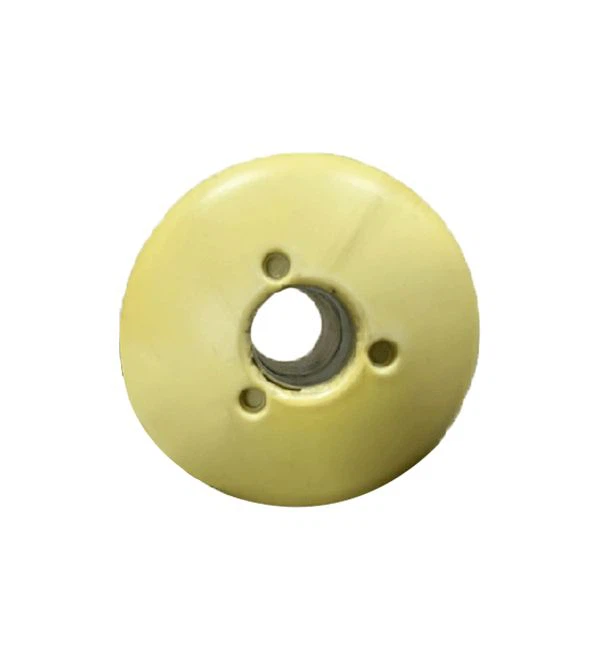
In the aerospace sector, every ounce counts. By using plastic components, aircraft can shed unnecessary weight, leading to reduced fuel consumption and increased payload capacity. And when it comes to handling these parts during the manufacturing process, their light weight makes them a breeze to move around. Workers don't have to struggle with heavy, cumbersome metal parts, which can also improve workplace safety by reducing the risk of back injuries and other physical strains.
2. Cost - Effective Production
Let's talk about money, because that's always a big deal. Plastic parts are generally much cheaper to produce than their metal counterparts. The raw materials for plastic are often less expensive, and the manufacturing processes, such as injection molding, can be highly efficient. Injection molding allows for the mass production of identical parts at a relatively low cost per unit.
For small - and medium - sized businesses, this cost - effectiveness is a huge advantage. They can get high - quality machine parts without breaking the bank. Even large corporations benefit from the cost savings. With lower production costs, they can either increase their profit margins or offer more competitive prices to their customers.
If you're in the market for foam machine parts, check out our Foam Machine Part page. We've got a wide range of plastic foam machine parts that are not only affordable but also top - notch in terms of quality.
3. Corrosion Resistance
Metals are prone to corrosion, especially when they're exposed to moisture, chemicals, or harsh environmental conditions. Rust can weaken metal parts over time, leading to reduced performance and eventually, failure. Plastic, on the other hand, is highly resistant to corrosion.
This makes plastic machine parts ideal for use in industries where corrosion is a major concern, such as the chemical processing industry, the food and beverage industry, and marine applications. In a chemical plant, plastic parts can withstand the corrosive effects of various chemicals, ensuring long - term reliability and reducing the need for frequent replacements.
In the food and beverage industry, plastic parts won't rust or contaminate the products, meeting strict hygiene standards. And on boats and other marine vessels, plastic components can resist the corrosive effects of saltwater, which would quickly eat away at metal parts.
4. Design Flexibility
Plastic offers a level of design flexibility that metals can't match. With plastic, it's possible to create complex shapes and geometries that would be extremely difficult or impossible to achieve with metal. Injection molding, for example, can produce parts with intricate details, thin walls, and undercuts.
This design flexibility allows engineers to optimize the performance of machine parts. They can design parts that are not only functional but also more aesthetically pleasing. For instance, in consumer electronics, plastic parts can be designed to fit seamlessly into the overall product design, enhancing the user experience.
We also have a great selection of High Density Foam Machine Parts. These parts are designed with precision to meet the specific needs of high - density foam production, and the design flexibility of plastic allows us to create parts that are perfectly tailored to the job.
5. Electrical Insulation
In many applications, electrical insulation is crucial. Plastic is an excellent electrical insulator, which means it can prevent the flow of electricity. This makes plastic machine parts ideal for use in electrical and electronic equipment.
In a circuit board, plastic components can be used to isolate different electrical elements, preventing short - circuits and ensuring the proper functioning of the device. Plastic can also be used in the housing of electrical appliances, providing a safe barrier between the electrical components and the user.
6. Noise and Vibration Dampening
Plastic has the ability to absorb noise and vibration. In machines, excessive noise and vibration can be a nuisance, and they can also lead to premature wear and tear of parts. By using plastic components, the noise and vibration levels can be significantly reduced.
In a manufacturing plant, quieter machines mean a more comfortable working environment for employees. It can also reduce the need for additional noise - reduction measures, saving on costs. And by dampening vibration, plastic parts can extend the lifespan of the machine, reducing maintenance and replacement costs.
7. Chemical Resistance
As mentioned earlier, plastic is resistant to corrosion, but it also has excellent chemical resistance. Different types of plastics can withstand a wide range of chemicals, from acids and bases to solvents.
In the pharmaceutical industry, plastic parts can be used in equipment that comes into contact with various chemicals during the manufacturing process. The chemical resistance of plastic ensures that the parts won't degrade or contaminate the products. Similarly, in the laboratory setting, plastic components can be used in equipment for chemical analysis and research.
Time to Connect and Collaborate
So, there you have it - a whole bunch of reasons why plastic is an awesome choice for machine parts. Whether you're a small startup or a large corporation, the advantages of using plastic parts can have a huge impact on your business.
If you're interested in learning more about our plastic machine parts or want to discuss a specific project, I'd love to hear from you. Reach out to us, and we can start a conversation about how our high - quality plastic machine parts can meet your needs. Let's work together to take your business to the next level!
References
- "Plastics in Engineering Applications" by John Doe
- "Advances in Plastic Manufacturing Technologies" by Jane Smith
- Industry reports from the American Plastics Council