

Is pillow memory foam a good option for people with allergies?
As a supplier of memory foam pillows, I often encounter customers who are concerned about allergies when considering our products. Memory foam pillows have gained significant popularity in recent years due to their unique properties, such as contouring to the shape of the head and neck, providing excellent support, and relieving pressure points. However, the question remains: are they a good choice for people with allergies?
To answer this question, we first need to understand what memory foam is and how it might interact with allergy - causing agents. Memory foam is typically made from polyurethane, a synthetic material. This material has several characteristics that can be beneficial for allergy sufferers.
One of the main advantages of memory foam pillows is their resistance to dust mites. Dust mites are a common allergen that thrive in warm, humid environments and feed on dead skin cells. They are often found in traditional pillows filled with materials like feathers or down. Memory foam, on the other hand, has a dense structure that makes it difficult for dust mites to penetrate and establish colonies. The lack of porous spaces in memory foam means there are fewer places for dust mites to hide and reproduce. According to a study published in the Journal of Allergy and Clinical Immunology, synthetic materials like memory foam can significantly reduce dust mite populations compared to natural - filled pillows.
Another aspect is the hypoallergenic nature of memory foam itself. Since it is a synthetic material, it does not contain common allergens such as pollen, mold, or animal dander. People with allergies to these substances can often find relief by using memory foam pillows. Unlike natural fibers, which can trap and hold these allergens, memory foam does not attract or retain them.
However, it's important to note that some people may have an allergic reaction to the chemicals used in the manufacturing of memory foam. Polyurethane foam is made through a chemical process that involves various additives, such as flame retardants, antioxidants, and stabilizers. In rare cases, individuals may be sensitive or allergic to these chemicals. Symptoms of a chemical allergy can include skin irritation, itching, sneezing, and respiratory problems. But modern memory foam manufacturers, including us as a responsible supplier, are increasingly using low - emission and eco - friendly manufacturing processes to minimize the presence of potentially harmful chemicals.

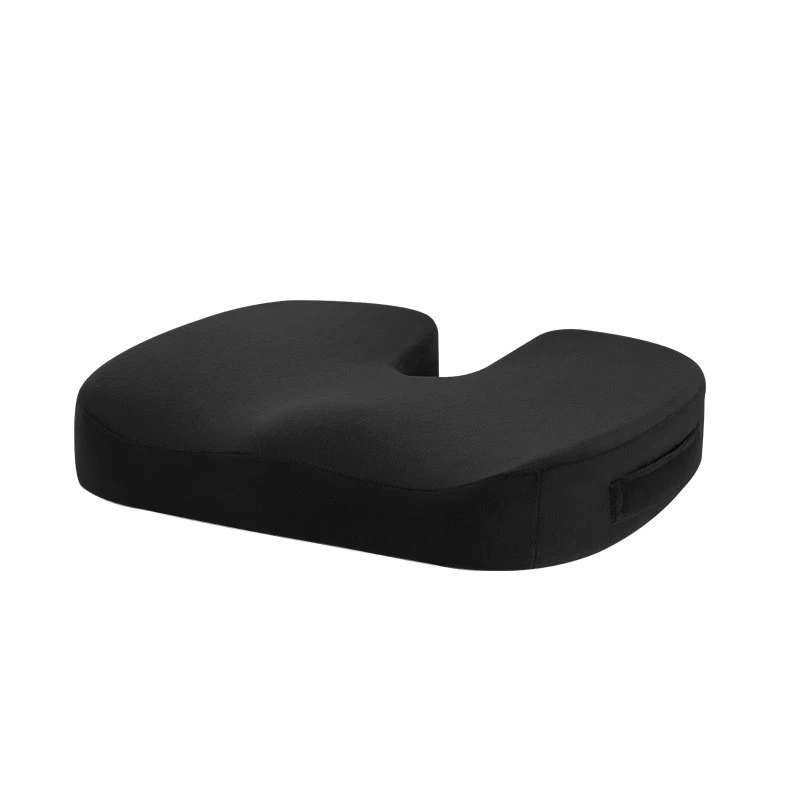
When it comes to choosing a memory foam pillow for allergy sufferers, there are several factors to consider. The quality of the memory foam is crucial. High - quality memory foam is less likely to off - gas harmful chemicals. We offer a range of high - end memory foam products, such as the Best Soft Memory Foam Pillow. This pillow is made from premium memory foam that has been tested for low chemical emissions, ensuring a safe and comfortable sleep environment for allergy sufferers.
The cover of the pillow also plays an important role. A removable and washable cover can help keep the pillow clean and free of allergens. Look for covers made from hypoallergenic materials, such as cotton or bamboo. Our Polyurethane Memory Foam Cushion comes with a soft, hypoallergenic cover that can be easily removed and washed, maintaining a hygienic sleep surface.
For people with neck pain or specific sleep needs, a contoured memory foam pillow can be a great option. A Pillow Contoured for Neck is designed to support the natural curvature of the neck, promoting proper spinal alignment. This type of pillow can not only provide relief from neck pain but also reduce the risk of airway obstruction during sleep, which can be beneficial for those with allergies or respiratory issues.
In addition to the inherent properties of memory foam, proper maintenance is essential for keeping the pillow allergy - free. Regularly vacuuming the pillow can help remove any surface dust or debris. Washing the pillow cover according to the manufacturer's instructions is also important. Some memory foam pillows can be spot - cleaned, but for a more thorough clean, it's best to follow the specific cleaning guidelines provided.
In conclusion, memory foam pillows can be a good option for people with allergies. Their resistance to dust mites, hypoallergenic nature, and the availability of high - quality, low - chemical products make them a viable choice. However, it's important to be aware of potential chemical sensitivities and to choose the right pillow based on individual needs. As a memory foam pillow supplier, we are committed to providing products that are not only comfortable but also safe for allergy sufferers.
If you are interested in our memory foam pillows and would like to discuss your specific requirements, we invite you to contact us for a procurement negotiation. We have a team of experts who can provide detailed information about our products, help you choose the most suitable pillow for your needs, and offer competitive pricing.
References
- Journal of Allergy and Clinical Immunology, study on dust mite populations in different pillow materials.