

In the highly competitive manufacturing industry, the precision of machine parts is of paramount importance. As a seasoned machine parts supplier, I've witnessed firsthand how precision can make or break a project. In this blog, I'll share some valuable insights on how to improve the precision of machine parts, drawing from my years of experience in the field.
Understanding the Importance of Precision
Precision in machine parts is not just a luxury; it's a necessity. High - precision parts ensure the smooth operation of machinery, reduce wear and tear, and enhance overall product quality. In industries such as aerospace, automotive, and medical devices, even the slightest deviation from the required specifications can lead to catastrophic failures. For example, in aerospace, a single imprecise part can compromise the safety of an entire aircraft. Therefore, achieving and maintaining high precision is crucial for both the reputation and success of a business.
Factors Affecting the Precision of Machine Parts
Material Selection
The choice of material plays a significant role in determining the precision of machine parts. Different materials have different physical and mechanical properties, such as hardness, thermal expansion coefficient, and machinability. For instance, metals like steel and aluminum are commonly used due to their excellent strength and durability. However, their thermal expansion can cause dimensional changes during machining and operation. High - performance plastics, on the other hand, may have lower thermal expansion but might not be as strong. It's essential to select a material that suits the specific requirements of the part, taking into account factors like operating temperature, load, and environmental conditions.
Machining Processes
The machining processes used to manufacture machine parts also have a major impact on precision. Traditional machining methods such as turning, milling, and drilling are widely used, but they have their limitations. For example, in turning operations, the accuracy of the cutting tool and the stability of the machine tool can affect the roundness and surface finish of the part. Advanced machining techniques like electrical discharge machining (EDM) and laser cutting offer higher precision but are often more expensive. It's important to choose the right machining process based on the complexity and precision requirements of the part.
Machine Tool Accuracy
The accuracy of the machine tools used in the manufacturing process is another critical factor. Over time, machine tools can experience wear and tear, which can lead to decreased precision. Regular maintenance and calibration of machine tools are essential to ensure their accuracy. This includes checking and adjusting the alignment of axes, the sharpness of cutting tools, and the accuracy of measuring devices. Investing in high - quality machine tools with advanced control systems can also significantly improve the precision of part manufacturing.
Operator Skill
The skill and experience of the operators are invaluable in achieving high - precision machining. A skilled operator can make adjustments on the fly, compensate for minor variations in the machining process, and ensure that the final part meets the required specifications. Training programs for operators should be comprehensive and ongoing, covering topics such as machining techniques, tool selection, and quality control.
Strategies to Improve Precision
Design Optimization
The design phase is the first step in improving the precision of machine parts. Simplifying the design can reduce the complexity of the machining process and minimize the chances of errors. For example, avoiding sharp corners and thin walls can make the part easier to machine and less prone to deformation. Using standard dimensions and tolerances can also improve the interchangeability of parts and reduce manufacturing costs.
Quality Control Systems
Implementing a robust quality control system is essential for ensuring the precision of machine parts. This includes using advanced measuring instruments such as coordinate measuring machines (CMMs), optical comparators, and surface profilometers. Regular inspections at different stages of the manufacturing process can help identify and correct any deviations from the specifications early on. Statistical process control (SPC) techniques can also be used to monitor and analyze the manufacturing process, allowing for continuous improvement.
Advanced Manufacturing Technologies
Embracing advanced manufacturing technologies can significantly enhance the precision of machine parts. Additive manufacturing, also known as 3D printing, allows for the creation of complex geometries with high precision. It can reduce material waste and lead times compared to traditional machining methods. Additionally, computer - aided manufacturing (CAM) systems can optimize the machining process, ensuring that the cutting paths are as efficient and accurate as possible.
Supplier Collaboration
As a machine parts supplier, I understand the importance of collaboration. Working closely with customers during the design and manufacturing process can help ensure that the parts meet their specific requirements. By sharing our expertise and knowledge, we can jointly develop solutions to improve precision. For example, we can recommend the most suitable materials and machining processes based on the customer's application.
Case Studies
Let's take a look at some real - world examples of how these strategies have been applied to improve the precision of machine parts.
In the automotive industry, a manufacturer was facing issues with the precision of engine components. By optimizing the design of the parts, using high - quality materials, and implementing a strict quality control system, they were able to reduce the rejection rate of parts from 10% to less than 1%. This not only improved the performance of the engines but also reduced production costs.
In the medical device industry, a company needed to produce highly precise surgical instruments. They adopted advanced manufacturing technologies such as EDM and 3D printing, along with rigorous operator training. As a result, they were able to achieve a level of precision that was previously unattainable, leading to better patient outcomes and increased market share.
Our Product Offerings
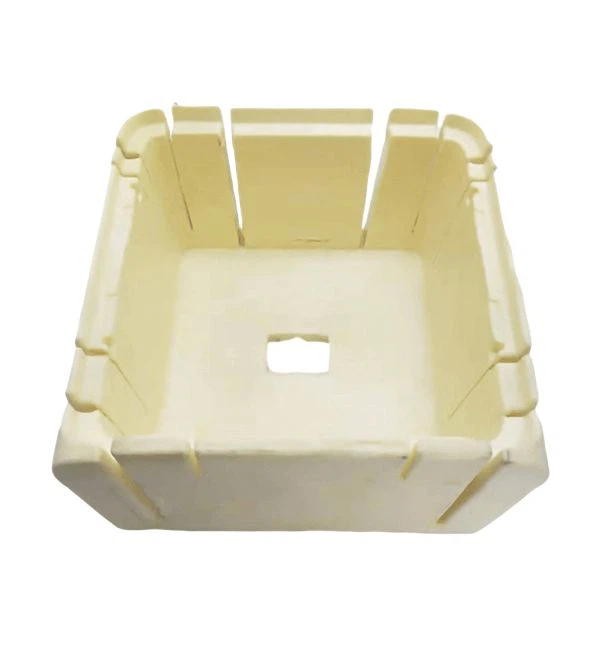
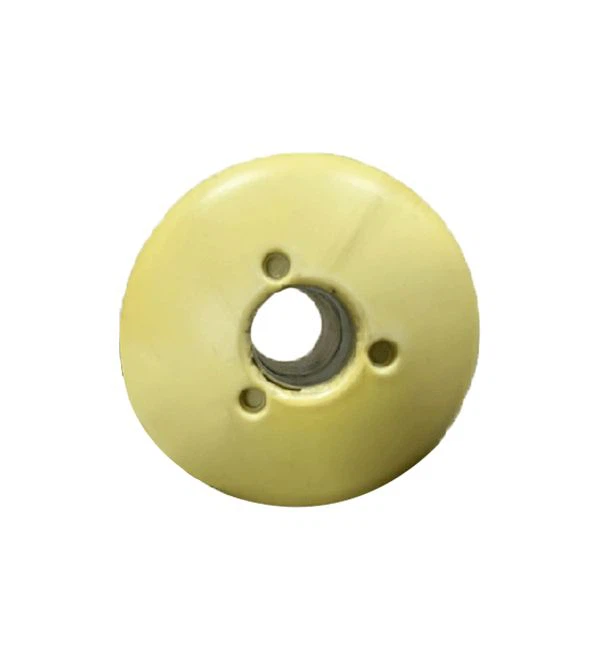
At our company, we offer a wide range of high - precision machine parts. Our Foam Machine Part and High Density Foam Machine Parts are designed and manufactured with the utmost precision. We use state - of - the - art machining equipment and follow strict quality control procedures to ensure that every part meets the highest standards.
Conclusion
Improving the precision of machine parts is a multi - faceted challenge that requires attention to detail at every stage of the manufacturing process. From material selection and machining processes to quality control and operator skill, every factor plays a crucial role. By implementing the strategies outlined in this blog, manufacturers can achieve higher precision, improve product quality, and gain a competitive edge in the market.
If you're in need of high - precision machine parts, we'd love to hear from you. Contact us to discuss your specific requirements and explore how we can collaborate to meet your needs.
References
- Smith, J. (2018). Precision Machining: Principles and Practices. Industrial Press.
- Jones, R. (2019). Advanced Manufacturing Technologies for High - Precision Parts. Manufacturing Review.
- Brown, S. (2020). Quality Control in Machine Part Manufacturing. Quality Assurance Journal.