

Synthetic shoes have become increasingly popular in recent years due to their affordability, durability, and a wide range of styles. As a shoe tree supplier, I often get asked whether shoe trees work for synthetic shoes. In this blog, I'll explore the science behind shoe trees and their effectiveness in maintaining the shape and quality of synthetic shoes.
Understanding Synthetic Shoes
Synthetic shoes are made from artificial materials, such as polyester, nylon, polyurethane (PU), and synthetic leather. These materials are engineered to mimic the properties of natural materials like leather. They are often more resistant to water, stains, and abrasions, making them a practical choice for everyday wear, sports, and outdoor activities.
However, synthetic materials also have their drawbacks. They can be less breathable than natural materials, which may lead to a buildup of moisture and odor inside the shoes. Additionally, synthetic shoes may lose their shape more easily over time, especially if they are not properly cared for.
How Shoe Trees Work
Shoe trees are devices designed to be inserted into shoes to maintain their shape and prevent them from wrinkling, sagging, or losing their form. They work by providing support to the shoe's structure, especially in the toe box and heel area. Most shoe trees are made from wood, plastic, or foam, and they come in various shapes and sizes to fit different types of shoes.
When a shoe tree is inserted into a shoe, it gently stretches the shoe to its original shape. This helps to prevent the leather or synthetic material from creasing and folding, which can damage the shoe's structure over time. Additionally, shoe trees can absorb moisture and odor from the inside of the shoe, keeping it fresh and dry.
Do Shoe Trees Work for Synthetic Shoes?
The answer is yes, shoe trees can work effectively for synthetic shoes, but there are some factors to consider:

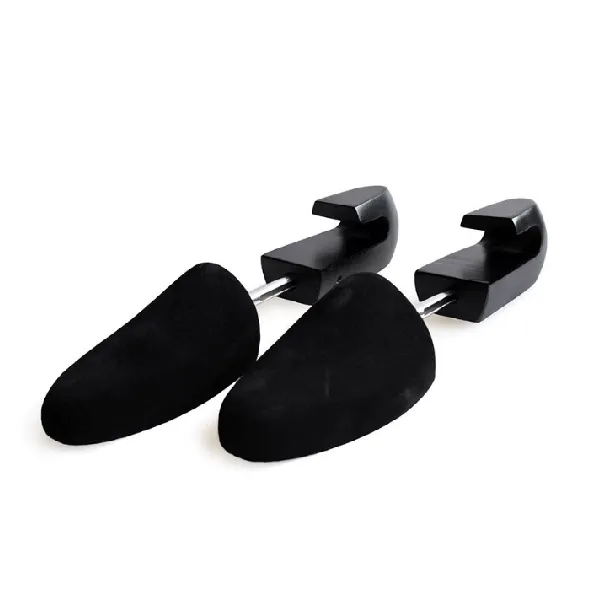
1. Maintaining Shape
One of the primary functions of shoe trees is to maintain the shape of the shoe. Synthetic shoes, like leather shoes, can lose their shape over time, especially if they are worn frequently or stored improperly. By inserting a shoe tree into a synthetic shoe after each use, you can help the shoe retain its original shape and prevent it from becoming misshapen.
For synthetic shoes that are made from a more rigid material, a shoe tree can provide the necessary support to keep the shoe's structure intact. On the other hand, for softer synthetic materials, a shoe tree can help prevent the shoe from flopping or collapsing when not in use.
2. Absorbing Moisture and Odor
Moisture and odor are common problems with synthetic shoes. Since synthetic materials are often less breathable than natural materials, they can trap sweat and moisture inside the shoe, creating an ideal environment for bacteria and fungi to grow. This can lead to unpleasant odors and even foot problems like athlete's foot.
Some shoe trees, especially those made from materials like cedar or activated charcoal, have natural moisture-absorbing and odor-fighting properties. While the moisture absorption capacity of a shoe tree may be slightly less effective for synthetic shoes compared to leather shoes (since synthetic materials do not absorb moisture as readily), it can still help to keep the inside of the shoe dry and fresh.
3. Preventing Wrinkles and Creases
Synthetic shoes can develop wrinkles and creases, especially in areas where the shoe bends, such as the toe box and the arch. These wrinkles not only make the shoe look worn out but can also weaken the material over time. A shoe tree can help to smooth out these wrinkles and prevent new ones from forming by providing continuous support to the shoe's structure.
Choosing the Right Shoe Tree for Synthetic Shoes
When selecting a shoe tree for synthetic shoes, there are a few things to keep in mind:
1. Material
- Foam Shoe Trees: Foam shoe trees are a popular choice for synthetic shoes. They are lightweight, flexible, and can easily conform to the shape of the shoe. Foam shoe trees are also relatively inexpensive, making them a cost-effective option for maintaining multiple pairs of shoes. You can check out our Foam Shoe Tree for a great option.
- Plastic Shoe Trees: Plastic shoe trees are durable and can provide strong support for synthetic shoes. They are often adjustable, allowing you to customize the fit of the shoe tree to your shoe. However, plastic shoe trees may not have the same moisture-absorbing properties as other materials.
- Wooden Shoe Trees: While wooden shoe trees are more commonly used for leather shoes, they can also work for synthetic shoes. Cedar wood is a popular choice because it has natural odor-fighting and moisture-absorbing properties. However, wooden shoe trees may be more expensive than foam or plastic ones.
2. Size and Shape
It's important to choose a shoe tree that is the right size and shape for your synthetic shoes. A shoe tree that is too small may not provide enough support, while a shoe tree that is too large may stretch the shoe too much and cause damage. Make sure to measure the length and width of your shoes and choose a shoe tree that matches these dimensions.
Tips for Using Shoe Trees with Synthetic Shoes
Here are some tips to help you get the most out of using shoe trees with your synthetic shoes:
1. Insert the Shoe Tree Immediately
After taking off your synthetic shoes, insert the shoe tree as soon as possible. This will help to prevent the shoe from losing its shape while it's still warm and pliable from being worn.
2. Leave the Shoe Tree in for a Sufficient Time
Leave the shoe tree in the shoe for at least a few hours or overnight. This will give the shoe tree enough time to absorb moisture and help the shoe regain its shape.
3. Clean the Shoe Tree Regularly
Over time, the shoe tree can accumulate dirt, sweat, and odor. Clean the shoe tree regularly with a mild soap and water to keep it fresh and effective.
Conclusion
In conclusion, shoe trees can be a valuable tool for maintaining the shape, quality, and longevity of synthetic shoes. They help to prevent wrinkles, creases, and moisture buildup, keeping your shoes looking and feeling their best. Whether you're a casual shoe wearer or a shoe enthusiast, investing in a good pair of shoe trees for your synthetic shoes is a smart choice.
If you're interested in purchasing high-quality shoe trees for your synthetic shoes, we offer a wide range of options, including our Ladies Foam Shoe Trees and Shoe Tree For Shoes. We're always happy to discuss your specific needs and help you find the perfect shoe tree solution. Contact us for more information and to start a procurement discussion.
References
- "The Science of Shoe Care" - Journal of Footwear Science
- "Synthetic Materials in Footwear: Properties and Applications" - International Journal of Textile Science
- "Benefits of Using Shoe Trees" - Footwear Technology Review