

Do shoe trees work for leather shoes? This is a question that many leather shoe enthusiasts and owners often ponder. As a shoe tree supplier, I've had the privilege of witnessing firsthand the impact that shoe trees can have on leather shoes. In this blog, I'll delve into the science behind shoe trees, their benefits, and whether they truly work for leather shoes.
The Science Behind Shoe Trees
Leather is a natural material that has the ability to adapt and mold to the shape of our feet over time. However, this flexibility also means that leather shoes can lose their shape when not worn. When shoes are left without support, the leather can crease, sag, and lose its original form. This is where shoe trees come in.
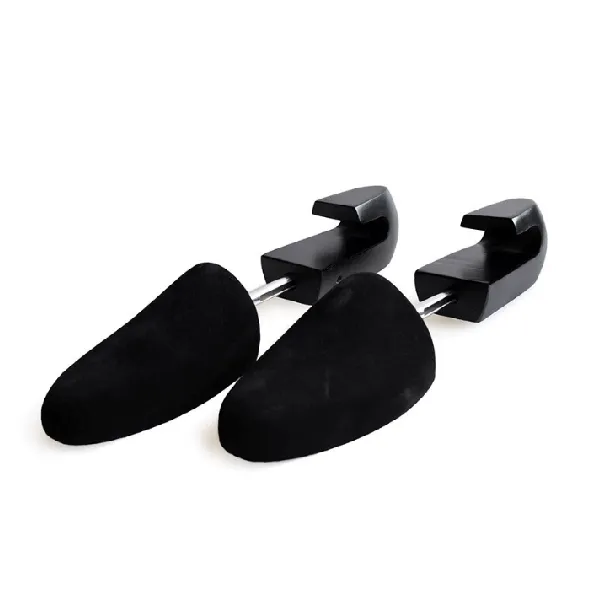
Shoe trees are designed to mimic the shape of the foot and provide support to the shoe. They help to maintain the shoe's shape, prevent creasing, and reduce the risk of damage. By inserting a shoe tree into a leather shoe, you're essentially giving the shoe a "skeleton" to hold its shape.
There are two main types of shoe trees: wooden and foam. Wooden shoe trees are typically made from cedar or other types of wood. Cedar is a popular choice because it has natural odor - absorbing properties and can help keep shoes fresh. Foam shoe trees, on the other hand, are lightweight and more affordable. You can find a variety of foam shoe trees on our website, such as the Foam Shoe Tree and Ladies Foam Shoe Trees.
Benefits of Using Shoe Trees for Leather Shoes
Maintaining Shape
One of the primary benefits of using shoe trees is that they help maintain the shape of leather shoes. When you wear leather shoes, the leather stretches and conforms to the shape of your foot. Without a shoe tree, the leather can lose its shape when the shoes are not in use. A shoe tree fills the shoe, preventing it from collapsing and maintaining its original form. This is especially important for high - quality leather shoes that are expensive and designed to last.

Reducing Creasing
Creasing is a common problem with leather shoes. When you walk, the leather bends and folds, creating creases. Over time, these creases can become permanent and make the shoes look worn out. Shoe trees help to distribute the weight evenly across the shoe, reducing the stress on the leather and minimizing creasing. By keeping the leather in a more natural position, shoe trees can significantly extend the lifespan of your leather shoes.
Absorbing Moisture
Leather is a porous material that can absorb moisture from your feet. If the moisture is not removed, it can lead to the growth of bacteria and mold, which can damage the leather and cause unpleasant odors. Shoe trees, especially those made of cedar, have the ability to absorb moisture. Cedar contains natural oils that help to wick away moisture and keep the shoes dry. This not only helps to protect the leather but also keeps the shoes smelling fresh.
Improving Comfort
When leather shoes maintain their shape, they are more comfortable to wear. A well - shaped shoe provides better support for your feet, reducing fatigue and discomfort. By using shoe trees, you can ensure that your leather shoes fit properly and feel great every time you wear them.
Real - World Evidence
There have been numerous studies and real - world experiences that support the effectiveness of shoe trees for leather shoes. Many professional shoemakers and leather care experts recommend using shoe trees as part of a regular shoe maintenance routine.
For example, a study conducted by a leading leather research institute found that leather shoes that were regularly stored with shoe trees showed significantly less creasing and shape deformation compared to shoes that were not. The study also noted that the leather in the shoes with shoe trees remained more supple and durable over time.
In addition, many customers who have used shoe trees for their leather shoes have reported positive results. They have noticed that their shoes look better, last longer, and are more comfortable to wear. Some even claim that using shoe trees has saved them money in the long run by reducing the need for frequent shoe repairs or replacements.
Are There Any Drawbacks?
While shoe trees offer many benefits, there are a few potential drawbacks to consider. One of the main drawbacks is the cost. High - quality wooden shoe trees can be relatively expensive, especially if you have multiple pairs of shoes. Foam shoe trees are more affordable, and you can explore our Shoe Tree For Shoes options for a cost - effective solution.
Another potential drawback is the inconvenience of using shoe trees. Some people may find it cumbersome to insert and remove shoe trees every time they wear their shoes. However, with a little practice, it becomes a quick and easy part of your shoe - care routine.
Conclusion
In conclusion, shoe trees do work for leather shoes. They offer a range of benefits, including maintaining shape, reducing creasing, absorbing moisture, and improving comfort. Whether you choose a wooden or foam shoe tree, incorporating shoe trees into your leather shoe care routine can significantly extend the lifespan of your shoes and keep them looking their best.
If you're interested in purchasing shoe trees for your leather shoes, we invite you to explore our wide range of products. We are committed to providing high - quality shoe trees that meet the needs of our customers. Whether you're a casual shoe wearer or a shoe connoisseur, our shoe trees can help you take better care of your leather shoes.
If you have any questions or would like to discuss your shoe tree needs further, please feel free to reach out. We're here to help you make the best choice for your leather shoes. Let's start a conversation about how our shoe trees can enhance the life of your footwear.
References
- Leather Research Institute Report on Shoe Tree Effectiveness
- Customer testimonials and feedback on shoe tree usage