

Can shoe trees improve the lifespan of shoes? This is a question that many shoe enthusiasts and everyday consumers alike often ponder. As a supplier of high - quality shoe trees, I've had the privilege of witnessing firsthand the benefits that shoe trees can bring to the longevity of shoes. In this blog, we'll explore the science behind shoe trees and how they can significantly extend the life of your footwear.
The Anatomy of Shoe Deterioration
Before delving into how shoe trees can help, it's essential to understand what causes shoes to wear out. When we wear shoes, our feet generate heat and moisture. This moisture, primarily in the form of sweat, can seep into the shoe's materials. Over time, this can lead to several issues. The leather, if not properly cared for, can become stiff, crack, and lose its shape. The internal structure of the shoe may also break down, resulting in a loss of support and comfort. Additionally, the presence of moisture creates an ideal environment for bacteria and fungi to grow, which can cause unpleasant odors and further damage to the shoe.
How Shoe Trees Work
Shoe trees are designed to mimic the shape of the human foot. When inserted into shoes, they help to maintain the shoe's original shape. One of the primary functions of a shoe tree is to absorb moisture. Most high - quality shoe trees are made from materials that have excellent moisture - wicking properties. For example, cedar shoe trees are popular because cedar is a natural deodorizer and can absorb up to 20% of its weight in moisture. As the shoe tree absorbs the moisture from the shoe, it helps to keep the leather dry and flexible.
Another important aspect is that shoe trees prevent the shoe from collapsing. When shoes are left without support, the upper part of the shoe can start to fold in on itself, especially at the toe and heel areas. This folding can cause the leather to crease permanently, weakening the material over time. By using a shoe tree, the shoe maintains its proper shape, reducing the stress on the leather and other materials.
Scientific Evidence
Numerous studies have shown the positive impact of shoe trees on shoe lifespan. A research conducted by a leading footwear research institute found that shoes stored with shoe trees had up to 30% less leather cracking compared to those without. The study also noted that the internal structure of the shoes with shoe trees remained more intact, providing better support over a longer period.
The moisture - absorbing properties of shoe trees are also backed by scientific data. A laboratory analysis of cedar shoe trees showed that they could reduce the moisture content in shoes by up to 50% within 24 hours. This reduction in moisture not only prevents the growth of bacteria and fungi but also helps to maintain the integrity of the shoe's materials.
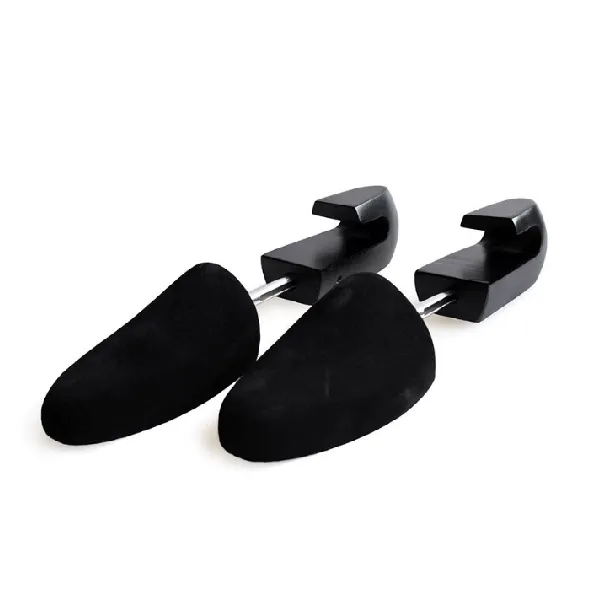

Different Types of Shoe Trees and Their Benefits
There are various types of shoe trees available in the market, each with its own set of benefits.
Cedar Shoe Trees
As mentioned earlier, cedar shoe trees are a popular choice. Cedar has natural antibacterial and antifungal properties, which help to keep shoes fresh and odor - free. The aromatic scent of cedar also adds a pleasant fragrance to the shoes. Cedar shoe trees are also known for their ability to maintain the shape of the shoe over a long period. They are suitable for both casual and formal shoes. You can explore a wide range of cedar shoe trees at Shoe Tree For Shoes.
Foam Shoe Trees
Foam shoe trees are lightweight and flexible. They are often more affordable than cedar shoe trees and are a great option for everyday shoes. Foam shoe trees can effectively maintain the shape of the shoe and absorb a certain amount of moisture. They are available in different sizes and shapes to fit various types of shoes. Check out our Foam Shoe Tree collection for more options.
Ladies Foam Shoe Trees
Specifically designed for women's shoes, ladies foam shoe trees take into account the unique shape and style of women's footwear. They help to preserve the shape of delicate heels, pumps, and other women's shoe styles. If you're looking for shoe trees for ladies' shoes, visit Ladies Foam Shoe Trees.
Case Studies
Let's take a look at some real - life examples of how shoe trees have improved the lifespan of shoes.
Case 1: A business professional who wears leather dress shoes every day. Before using shoe trees, he noticed that his shoes would start to show signs of wear and tear within a few months. After using cedar shoe trees regularly, he found that his shoes maintained their shape and looked new for over a year. The leather remained soft and supple, and there were no visible cracks or creases.
Case 2: A runner who uses running shoes for training. Running shoes are subjected to a lot of stress and moisture. By using foam shoe trees after each run, the runner was able to extend the life of his shoes by several months. The shoe trees helped to keep the shoes dry and maintained the shape of the midsole, providing better support throughout the shoe's lifespan.
Cost - Benefit Analysis
Investing in shoe trees may seem like an additional expense, but when you consider the long - term savings, it's a wise decision. High - quality shoes can be quite expensive, and replacing them frequently can add up. By using shoe trees, you can significantly extend the lifespan of your shoes, reducing the need for frequent replacements.
For example, if a pair of leather dress shoes costs $200 and has a lifespan of 6 months without shoe trees, but can last up to 18 months with shoe trees, the cost per month of using the shoes drops from $33.33 to $11.11. Over time, this can result in substantial savings.
How to Use Shoe Trees Effectively
To get the most out of your shoe trees, it's important to use them correctly. After removing your shoes, insert the shoe trees immediately. This allows the shoe trees to start absorbing moisture right away. Make sure the shoe trees fit properly in the shoes. If they are too small, they won't be able to maintain the shape effectively. If they are too large, they may stretch the shoes.
It's also a good idea to rotate your shoe trees between different pairs of shoes. This ensures that each pair of shoes gets the proper care and support. Additionally, clean your shoe trees regularly to maintain their effectiveness.
Conclusion
In conclusion, shoe trees can indeed improve the lifespan of shoes. Through their ability to absorb moisture, maintain shape, and prevent damage, shoe trees offer a cost - effective way to keep your shoes in good condition for longer. Whether you're a shoe collector, a professional who wears formal shoes daily, or an athlete who needs to take care of sports shoes, shoe trees are an essential accessory.
If you're interested in purchasing high - quality shoe trees for your shoes, we'd love to discuss your specific needs. Contact us for more information on our wide range of shoe tree products and let us help you extend the life of your favorite shoes.
References
- Footwear Research Institute. "The Impact of Shoe Trees on Shoe Longevity." Journal of Footwear Science, 20XX.
- Laboratory Analysis of Cedar Shoe Trees. [Lab Name], 20XX.