

Hey there! As a household PU foam supplier, I often get asked if this stuff can be used to make small models. Well, let me tell you, the answer is a big fat yes! In this blog, I'm gonna break down why household PU foam is a great option for model - making and share some tips and tricks along the way.
What is Household PU Foam?
First off, let's talk about what household PU foam actually is. PU stands for polyurethane, and it's a type of polymer that can be formulated into a foam. Household PU foam usually comes in a can, kind of like spray paint. When you spray it out, it expands and hardens over time. It's commonly used for things like filling gaps in walls, insulating pipes, and even making some cool DIY home decor.

Why Use Household PU Foam for Small Models?
1. Easy to Work With
One of the best things about household PU foam is how easy it is to use. You don't need any fancy tools or equipment. Just shake the can well, point the nozzle at where you want to apply the foam, and press the trigger. It spreads out quickly and fills in all the nooks and crannies. This makes it super convenient for creating small, detailed models.
2. Lightweight
PU foam is incredibly lightweight. Once it dries, it won't add a lot of extra weight to your model. This is especially important if you're making models that need to be moved around or displayed on a shelf. You won't have to worry about them being too heavy and toppling over.
3. Versatile
You can shape household PU foam in all sorts of ways. You can cut it with a sharp knife, sand it down to smooth the edges, or even carve intricate details into it. This versatility allows you to create all kinds of models, from simple geometric shapes to complex figurines.
4. Cost - Effective
Compared to other materials used for model - making, like resin or clay, household PU foam is relatively inexpensive. You can get a large can of it for a reasonable price, and it goes a long way. This makes it a great option for hobbyists on a budget.
How to Use Household PU Foam for Small Models
Step 1: Prepare Your Workspace
Before you start, make sure you have a clean and well - ventilated workspace. Lay down some newspaper or a drop cloth to catch any excess foam. You'll also want to wear gloves and a mask to protect yourself from the fumes.
Step 2: Plan Your Model
Sketch out your design on a piece of paper. Decide what shape and size you want your model to be. This will help you visualize the final product and make the process go more smoothly.
Step 3: Apply the Foam
Shake the can of PU foam well for about a minute. Then, start applying the foam to your model area. Be careful not to apply too much at once, as it will expand. You can build up the layers gradually to get the desired shape.
Step 4: Let it Dry
The drying time for PU foam can vary depending on the brand and the thickness of the application. Usually, it takes a few hours to dry completely. During this time, don't touch the foam or move the model.
Step 5: Shape and Finish
Once the foam is dry, you can start shaping it. Use a sharp knife to cut off any excess foam and sand the surface to make it smooth. You can also paint the model with acrylic paints to give it a more finished look.
Examples of Small Models You Can Make
Polyurethane Bathtub Pillow
You can make a Polyurethane Bathtub Pillow using household PU foam. First, create a mold in the shape of a bathtub pillow using cardboard or plastic. Then, spray the PU foam into the mold. Once it dries, remove it from the mold and sand it down. You can cover it with a soft fabric to make it more comfortable.
Shoe Tree For Shoes
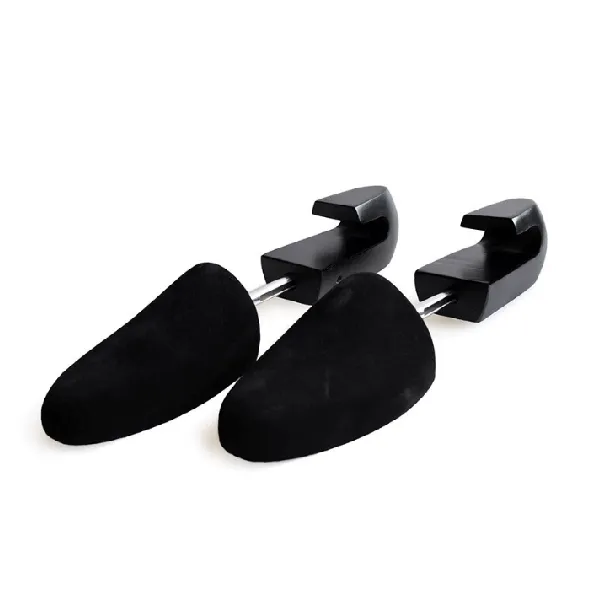
Making a Shoe Tree For Shoes is another great project. You can use a shoe as a mold. Spray the PU foam into the shoe, making sure to fill it evenly. After it dries, carefully remove the shoe tree from the shoe. You can sand it and paint it to match your shoes.
Foam Shoe Tree
A Foam Shoe Tree can also be made easily. You can create a simple shape using a piece of cardboard as a guide. Spray the foam onto the cardboard and let it dry. Then, cut and shape it into the desired shoe tree form.
Tips and Tricks
- Don't over - spray: As I mentioned earlier, PU foam expands a lot. So, it's better to apply it in small amounts and build up the layers.
- Use a release agent: If you're using a mold, apply a release agent like cooking oil or petroleum jelly to make it easier to remove the foam from the mold.
- Be patient: Drying time is important. Rushing the process can lead to a less - than - perfect model.
Conclusion
In conclusion, household PU foam is a fantastic material for making small models. It's easy to use, lightweight, versatile, and cost - effective. Whether you're a beginner or an experienced model - maker, you can create some amazing projects with it.
If you're interested in purchasing household PU foam for your model - making projects, feel free to reach out. We're always happy to help you find the right product for your needs. Let's start creating some awesome models together!
References
- "Polyurethane Foam: Properties and Applications" - A general guide on polyurethane foam and its uses.
- "DIY Model - Making with Household Materials" - A book that provides tips and ideas for making models at home.