

Can household pu foam be used to fill cracks in walls?
As a supplier of household PU foam, I often get asked whether our product can be used to fill cracks in walls. This is a common concern for homeowners looking to maintain the integrity and aesthetics of their living spaces. In this blog post, I'll explore the viability of using household PU foam for wall crack filling, its advantages, limitations, and best practices.
Understanding Household PU Foam
PU foam, or polyurethane foam, is a versatile material that has found its way into numerous household applications. It comes in various forms, including spray cans, which are convenient for DIY projects. When sprayed, the foam expands rapidly, filling the space it's applied to and then hardening over time. This expansion property makes it suitable for a wide range of tasks, from insulation to gap filling.
Advantages of Using Household PU Foam for Wall Crack Filling
-
Excellent Filling Capacity
One of the primary benefits of using PU foam for wall cracks is its ability to expand and fill even the most irregularly shaped gaps. Unlike traditional fillers, which may require multiple applications to achieve a complete fill, PU foam can reach deep into the crack and expand to fill every nook and cranny. This ensures a more thorough and long - lasting repair. -
Insulation Properties
In addition to filling the crack, household PU foam also provides insulation. It can help reduce heat transfer through the wall, which in turn can lower energy costs. This is especially beneficial for cracks in exterior walls, where heat loss can be a significant issue. -
Ease of Use
PU foam in spray can form is incredibly easy to use. Even homeowners with limited DIY experience can apply it with relative ease. All you need to do is shake the can well, attach the applicator tube, and spray the foam into the crack. The foam will then do the rest, expanding and hardening on its own. -
Adhesion
PU foam adheres well to most wall surfaces, including concrete, brick, and drywall. This strong adhesion helps to ensure that the repair stays in place over time and prevents the crack from reopening.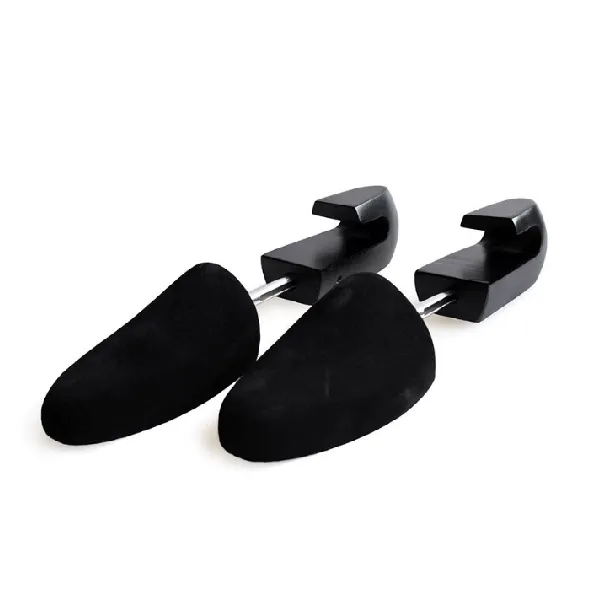

Limitations of Using Household PU Foam for Wall Crack Filling
- Surface Finish
While PU foam is great for filling cracks, it doesn't provide a smooth surface finish on its own. Once the foam has hardened, it will need to be sanded down and covered with a suitable filler or paint to achieve a professional - looking finish. This additional step can be time - consuming and may require some skill. - Expansion Control
The expansion of PU foam can sometimes be difficult to control. If too much foam is applied, it can expand beyond the crack and create a mess. It's important to apply the foam in small amounts and allow it to expand before applying more if necessary. - Not Suitable for All Cracks
Household PU foam may not be suitable for very large or structural cracks. For structural cracks, it's important to consult a professional engineer or contractor, as these cracks may require more extensive repairs. Additionally, if the crack is caused by ongoing settlement or movement in the building, simply filling the crack with foam may not address the underlying issue.
Best Practices for Using Household PU Foam to Fill Wall Cracks
- Prepare the Surface
Before applying the PU foam, it's important to clean the crack thoroughly. Remove any loose debris, dust, or old paint from the crack using a wire brush or vacuum cleaner. This will ensure better adhesion of the foam. - Protect the Surrounding Area
Since the foam can expand and stick to surrounding surfaces, it's a good idea to protect the area around the crack. You can use masking tape or plastic sheeting to cover nearby walls, floors, or furniture. - Apply the Foam in Small Amounts
As mentioned earlier, apply the foam in small amounts and allow it to expand before applying more. Start by inserting the applicator tube into the crack and applying a thin layer of foam. Wait for a few minutes to see how much the foam expands. If necessary, apply more foam in small increments until the crack is filled. - Trim and Sand the Foam
Once the foam has hardened (usually within a few hours), use a sharp knife or saw to trim off any excess foam that has expanded beyond the crack. Then, sand the foam down to create a smooth surface. - Finish the Surface
After sanding the foam, apply a suitable filler or joint compound over the repaired area. Smooth it out with a putty knife and allow it to dry. Once dry, sand the surface again and paint it to match the surrounding wall.
Other Applications of Household PU Foam
Household PU foam has a wide range of other applications besides filling wall cracks. For example, it can be used to make Foam Shoe Tree. The foam's ability to expand and take on different shapes makes it ideal for creating custom - fit shoe trees that can help maintain the shape of your shoes.
It can also be used to create Polyurethane Mirror Frame. You can use the foam to mold decorative frames for mirrors, adding a unique touch to your home decor.
Another interesting application is Foam for Outdoor Planters. The foam can be used to line the inside of outdoor planters, providing insulation and helping to prevent the soil from freezing in cold weather.
Conclusion
In conclusion, household PU foam can be a useful tool for filling cracks in walls, but it's important to understand its advantages, limitations, and best practices. When used correctly, it can provide a cost - effective and relatively easy way to repair small to medium - sized cracks in walls. However, for larger or structural cracks, it's always advisable to seek professional advice.
If you're interested in purchasing high - quality household PU foam for your DIY projects, including wall crack filling, please feel free to contact us for more information and to discuss your specific requirements. We're here to help you find the right solution for your home improvement needs.
References
- "Polyurethane Foam: Properties and Applications" - A technical guide on the properties and uses of polyurethane foam.
- "Home Improvement Handbook" - A comprehensive guide to various home improvement projects, including crack repair.