

As a dedicated supplier of yoga foam rollers, I've often been asked whether these simple yet versatile tools can be effectively used for physical therapy. In this blog post, I'll explore the science behind yoga foam rollers, their potential benefits in physical therapy, and how they compare to traditional physical therapy methods.
Understanding Yoga Foam Rollers
Yoga foam rollers are cylindrical tools made from various materials, such as polyurethane foam. They come in different sizes, densities, and textures to suit different needs and preferences. These rollers are commonly used in yoga and fitness routines to perform self-myofascial release (SMR), a technique that involves applying pressure to specific areas of the body to relieve muscle tension and improve flexibility.
One of the key features of yoga foam rollers is their ability to mimic the effects of a professional massage. By rolling the body over the foam roller, you can target specific muscles and connective tissues, applying pressure to release knots and adhesions. This process helps to increase blood flow, reduce inflammation, and promote muscle recovery.
The Science Behind Physical Therapy with Yoga Foam Rollers
Physical therapy is a branch of healthcare that focuses on restoring and improving physical function and mobility. It often involves a combination of exercises, stretches, and manual therapy techniques to address a wide range of conditions, including injuries, chronic pain, and mobility issues.
Yoga foam rollers can play a valuable role in physical therapy by providing a self-directed and cost-effective way to perform many of the same techniques used by physical therapists. Here's how they work:
Self-Myofascial Release
Myofascial release is a technique used to treat restrictions in the fascia, a thin layer of connective tissue that surrounds muscles, bones, and organs. When the fascia becomes tight or restricted, it can cause pain, stiffness, and limited mobility.
Using a yoga foam roller for self-myofascial release involves applying pressure to the affected area and slowly rolling back and forth. This pressure helps to break up adhesions in the fascia, allowing it to return to its normal state. As a result, blood flow to the area increases, and muscle tension is reduced.
Muscle Activation and Relaxation
Yoga foam rollers can also be used to activate and relax muscles. By applying pressure to specific muscle groups, you can stimulate the nerve endings in the muscles, which can help to improve muscle activation and coordination. This is particularly useful for athletes and individuals who engage in regular physical activity, as it can help to prevent injuries and improve performance.
On the other hand, rolling over tight or tense muscles can help to relax them. The pressure applied by the foam roller can trigger the body's relaxation response, reducing muscle spasms and promoting a sense of calm and well-being.
Improved Flexibility and Range of Motion
Regular use of a yoga foam roller can help to improve flexibility and range of motion. By releasing tension in the muscles and fascia, the body is able to move more freely. This can be particularly beneficial for individuals with conditions such as arthritis, which can cause joint stiffness and limited mobility.
Pain Relief
One of the most significant benefits of using a yoga foam roller for physical therapy is pain relief. By reducing muscle tension, improving blood flow, and promoting relaxation, the foam roller can help to alleviate pain caused by a variety of conditions, including back pain, neck pain, and sports injuries.
Types of Yoga Foam Rollers for Physical Therapy
There are several types of yoga foam rollers available on the market, each with its own unique features and benefits. Here are some of the most common types:
Standard Foam Rollers
Standard foam rollers are the most basic type of foam roller. They are typically made from a single layer of foam and come in a variety of densities. These rollers are suitable for general self-myofascial release and can be used on most parts of the body.
Textured Foam Rollers
Textured foam rollers have a bumpy or ridged surface, which provides additional stimulation to the muscles and fascia. These rollers are ideal for targeting specific areas of tightness or for individuals who prefer a more intense massage.
Massage Balls
Massage balls are small, spherical tools that can be used in conjunction with a foam roller or on their own. They are particularly useful for targeting smaller muscle groups, such as the feet, hands, and shoulders.
Yoga Massage Roller
The Yoga Massage Roller is a specialized type of foam roller designed for deep tissue massage. It has a unique shape and texture that allows for more precise targeting of specific muscles and trigger points.
Yoga Roller for Back Pain
As the name suggests, the Yoga Roller for Back Pain is specifically designed to relieve back pain. It has a contoured shape that conforms to the natural curve of the spine, providing targeted support and massage to the back muscles.
Polyurethane Fitness Roller
The Polyurethane Fitness Roller is a high-quality foam roller made from durable polyurethane foam. It is designed to withstand heavy use and is suitable for both home and professional use.
How to Use a Yoga Foam Roller for Physical Therapy
Using a yoga foam roller for physical therapy is relatively simple, but it's important to follow some basic guidelines to ensure safety and effectiveness. Here's a step-by-step guide:

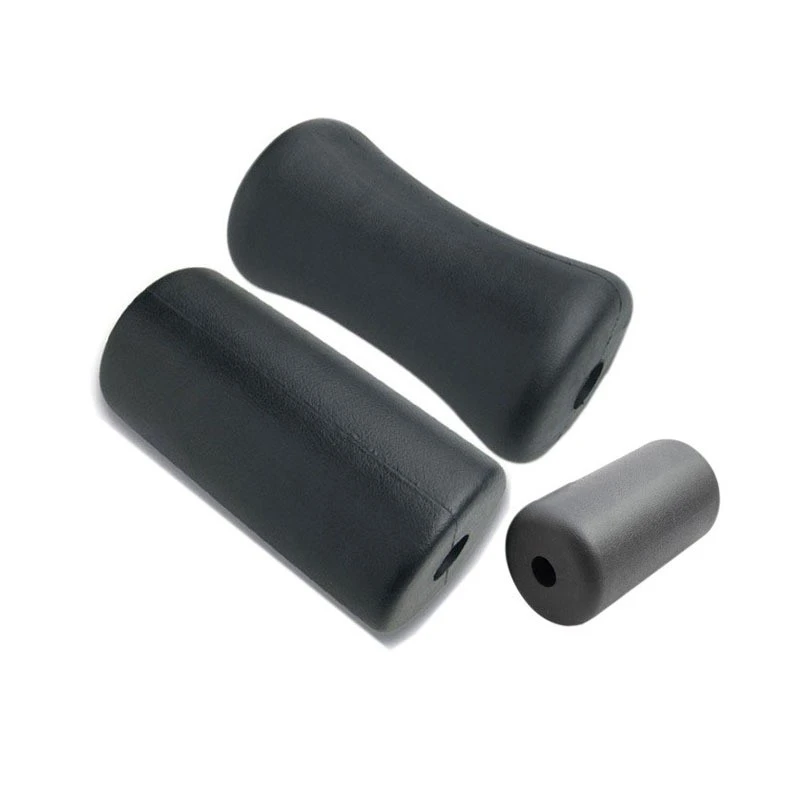
Step 1: Choose the Right Roller
Select a foam roller that is appropriate for your needs and fitness level. If you're new to foam rolling, start with a softer roller and gradually work your way up to a firmer one as your body becomes more accustomed to the pressure.
Step 2: Warm Up
Before using the foam roller, it's a good idea to warm up your muscles with some light exercise or stretching. This can help to prepare your body for the massage and reduce the risk of injury.
Step 3: Position the Roller
Place the foam roller on the floor and lie down on top of it, positioning it under the area of your body that you want to target. For example, if you're targeting your back, place the roller along the length of your spine.
Step 4: Apply Pressure
Using your body weight, apply gentle pressure to the foam roller and slowly roll back and forth over the targeted area. If you encounter a particularly tight or tender spot, stop and hold the pressure for 30 to 60 seconds to allow the muscle to relax.
Step 5: Breathe
As you roll, focus on your breathing. Take slow, deep breaths in through your nose and out through your mouth. This can help to relax your body and enhance the effects of the massage.
Step 6: Repeat
Continue rolling and applying pressure to the targeted area for 1 to 2 minutes. You can repeat this process on other areas of your body as needed.
Step 7: Cool Down
After using the foam roller, it's important to cool down your muscles with some gentle stretching. This can help to prevent muscle soreness and promote recovery.
Comparing Yoga Foam Rollers to Traditional Physical Therapy
While yoga foam rollers can be a valuable tool for physical therapy, they are not a substitute for professional medical advice and treatment. Here's how they compare to traditional physical therapy:
Cost
Yoga foam rollers are relatively inexpensive compared to traditional physical therapy sessions. A single foam roller can cost anywhere from $10 to $50, while a physical therapy session can cost upwards of $100 or more.
Convenience
Yoga foam rollers can be used at home or on the go, making them a convenient option for individuals who have busy schedules or limited access to physical therapy clinics. With a foam roller, you can perform self-myofascial release whenever and wherever you need it.
Self-Directed
Using a yoga foam roller for physical therapy is a self-directed activity, which means you have more control over the intensity and duration of the massage. This can be beneficial for individuals who prefer to take an active role in their own healthcare.
Limited Scope
While yoga foam rollers can provide many of the same benefits as traditional physical therapy, they are limited in their scope. They are best used for self-myofascial release and muscle relaxation, and they may not be suitable for treating more complex conditions or injuries.
Conclusion
In conclusion, yoga foam rollers can be a valuable tool for physical therapy. They offer a self-directed and cost-effective way to perform many of the same techniques used by physical therapists, including self-myofascial release, muscle activation and relaxation, improved flexibility and range of motion, and pain relief.
However, it's important to remember that yoga foam rollers are not a substitute for professional medical advice and treatment. If you have a serious injury or medical condition, it's always best to consult with a qualified healthcare provider before using a foam roller or any other self-treatment method.
If you're interested in purchasing a high-quality yoga foam roller for physical therapy, we invite you to explore our range of products, including the Yoga Massage Roller, Yoga Roller for Back Pain, and Polyurethane Fitness Roller. We're committed to providing our customers with the best products and services, and we'd be happy to assist you with any questions or concerns you may have. Contact us today to start your journey towards better health and wellness.
References
- Anderson, J. C., & Burke, J. E. (2017). Foam rolling: A position statement. Journal of Athletic Training, 52(1), 96-104.
- Beardsley, C. (2017). The benefits of foam rolling: A review of the literature. International Journal of Sports Physical Therapy, 12(6), 972-981.
- Kibler, W. B., Sciascia, A. D., Uhl, T. L., & Rubini, M. (2013). The role of self-myofascial release in athletic recovery. Strength and Conditioning Journal, 35(3), 36-43.